
Signs Your Roof Needs Attention Before a Small Problem Gets Expensive
This post may contain affiliate links which might earn us money. Please read my Disclosure and Privacy policies here
Your roof rarely asks for attention politely. It usually waits until you notice a stain on the ceiling, a draft in the attic, or shingles that look like they survived a bad argument with the weather.
If you live in or around Bethel Park, Pennsylvania, your roof deals with snow, rain, wind, and humid summers in a pretty demanding cycle. Catching issues early can save you money, stress, and a very unpleasant surprise during the next storm.
Start With the Clues You Can See From the Ground
You don’t need to climb a ladder and audition for a roofing disaster video to spot early warning signs. A simple walk around your house can reveal a lot.
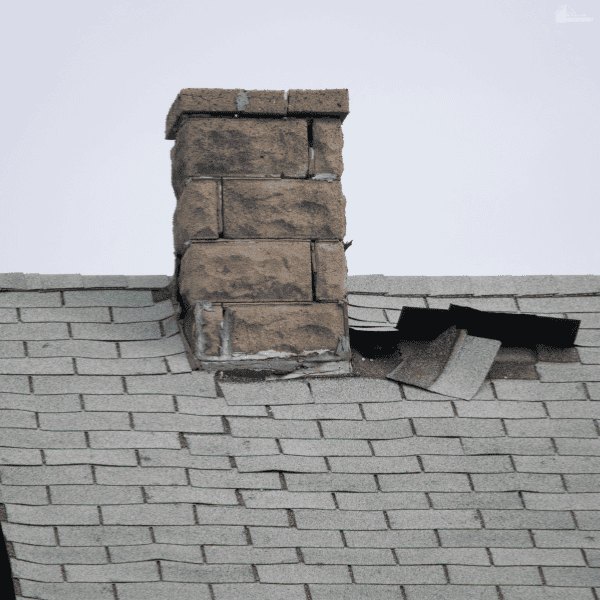
Look for shingles that are curling, cracked, missing, or visibly uneven. Dark streaks may point to algae, while bald-looking patches can mean granule loss. If you spot bits of shingle material in your gutters, your roof may be aging faster than you think.
Pay attention to the roofline too. A sagging section can suggest trapped moisture or structural trouble underneath. Flashing around chimneys and vents should look secure, not bent or rusted.
If your home has taken a beating from seasonal weather, having a Bethel Park roofer inspect visible wear can help you figure out whether you need a repair or something more serious.
Check the Attic Before the Ceiling Tells on You
Your attic often knows there’s a roofing problem long before your living room does. It’s the house version of finding the smoke before the fire alarm starts screaming.
Take a flashlight and look for water stains, damp insulation, moldy smells, or dark marks along the wood framing. Tiny beams of sunlight coming through the roof boards are also a red flag. Light entering where it shouldn’t usually means water can get in too.
Ventilation matters here as much as leaks. A hot, stuffy attic in summer or heavy condensation in winter can shorten your roof’s lifespan. Moisture buildup can warp decking, encourage mold growth, and quietly wreck insulation performance.
Even if everything looks mostly fine, one damp corner or one suspicious stain is enough reason to get a professional opinion before the problem spreads beyond the attic.
Don’t Ignore Gutters, Flashing, and Roof Penetrations
A roof system is more than shingles. Gutters, flashing, vent boots, and valleys do a lot of the unglamorous work, and they often fail first.
Clogged gutters can force water backward under the roof edge, especially during heavy rain. That can lead to fascia rot, soffit damage, and interior leaks. If water spills over the sides instead of flowing through downspouts, the system needs attention.
Flashing around chimneys, skylights, and wall intersections should stay tightly sealed. When flashing loosens or sealant cracks, water gets a direct route into your home. Vent boots around plumbing stacks are another common weak point, especially on older roofs.
These areas may seem small, but they’re often where expensive problems begin. A minor flashing repair costs far less than replacing stained drywall, soggy insulation, and wood rot that had months to spread quietly.
Watch for Indoor Signs That Seem Unrelated at First
Roof issues don’t always announce themselves with a dramatic drip into a bucket. Sometimes the clues show up in subtle ways that are easy to dismiss.
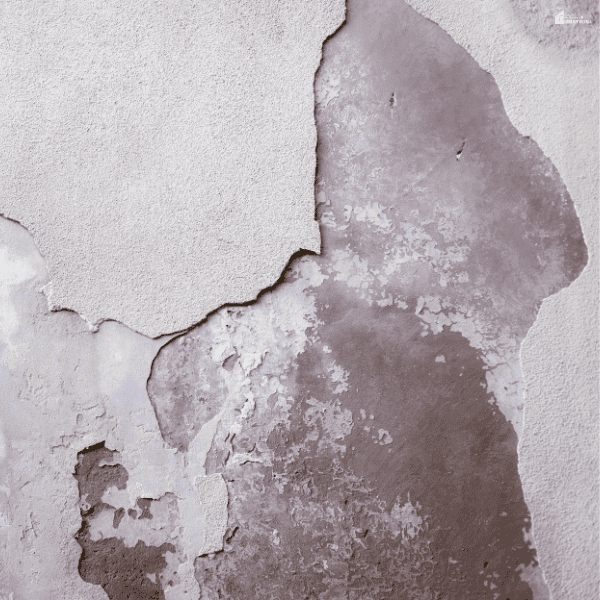
Peeling paint near the ceiling, bubbling drywall, musty odors, or random discoloration in upper rooms can all trace back to moisture entering from above. If your energy bills suddenly creep up, damaged roofing or poor attic ventilation may be letting conditioned air escape.
You might also notice drafts in rooms near the top floor. That can happen when roofing materials age, underlayment deteriorates, or flashing gaps allow air movement. None of it is ideal, especially when your heating or cooling system is already working overtime.
Homeowners sometimes blame windows or insulation first, which makes sense. Still, the roof deserves a place on the suspect list. It’s often the quiet culprit with a very expensive poker face.
Consider the Age of the Roof and Recent Weather Events
Even a roof that looks decent from a distance may be nearing the end of its useful life. Asphalt shingle roofs often last around 20 to 30 years, though material quality, installation, ventilation, and weather exposure can shift that range.
If your roof is over 15 years old, routine inspections become much more important. Small weaknesses start adding up, and repairs become less predictable. A single windstorm can turn a borderline roof into an urgent project.
Recent hail, strong wind, ice dams, or falling branches also matter. Storm damage isn’t always dramatic enough to notice right away. Hail can bruise shingles. Wind can lift tabs and weaken their seal. Ice dams can force water beneath roofing materials during winter freezes.
After rough weather, it’s smart to schedule a checkup instead of waiting for signs indoors. Delayed action tends to make repair bills more expensive than anyone wants.
Know When to Repair, Maintain, or Replace
Not every roofing issue means full replacement. Sometimes a targeted repair solves the problem. Other times, repeated patch jobs become the home maintenance version of throwing snacks at a serious problem.
A newer roof with isolated damage usually benefits from repair. Replacing a few shingles, resealing flashing, or fixing a vent boot can restore performance without a massive bill. Maintenance also matters. Clearing gutters, trimming overhanging branches, and scheduling inspections can add years to your roof’s life.
Replacement enters the conversation when damage is widespread, leaks keep returning, or the roof has reached the end of its expected lifespan. At that point, continuing to patch weak areas may cost more over time than starting fresh.
The smartest move is getting an honest evaluation based on your roof’s condition, age, and recent weather exposure. Early action gives you more options, which usually means better decisions and fewer expensive surprises later.