How to Landscape a Bare New Build Without Overspending
This post may contain affiliate links which might earn us money. Please read my Disclosure and Privacy policies here
The keys to a brand new house come with a strange anticlimax out back and out front. The builder rolled out a thin carpet of sod, maybe dropped three shrubs by the front door, and called it finished. Everything else is a blank rectangle of dirt and a budget already stretched thin from closing costs.
Starting a yard from nothing feels overwhelming, and the landscaping quotes that show up in the mailbox do not help.
The good news is that you can turn a bare builder's lot into something that looks settled and cared for without handing over thousands of dollars. The secret is spending on the right things in the right order, and letting the plants do the expensive-looking work for you.

Start With Plants That Pay You Back Every Year
The fastest way to waste money on a new yard is to fill it with annuals that look great for one summer and then disappear. A smarter first purchase is a base of perennials. They return on their own every spring, they spread to fill space you would otherwise pay to plant, and you buy them a single time instead of every season.
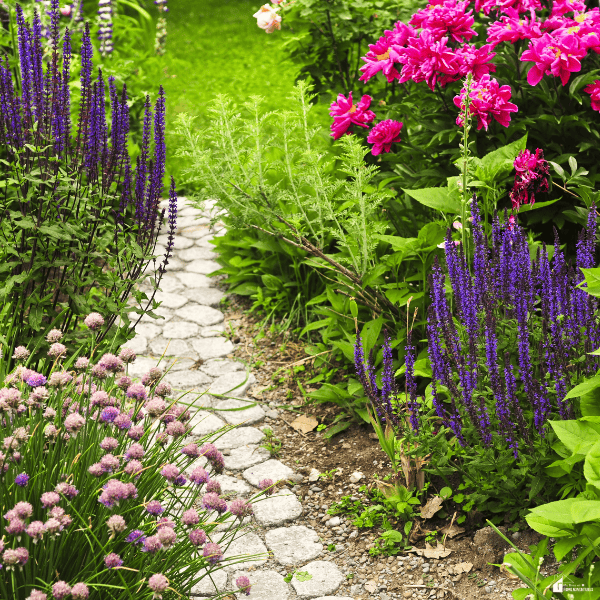
For someone who just emptied their savings on a down payment, that buy-it-once quality is exactly what a new yard needs. Coneflowers, daylilies, black-eyed Susans, and salvia establish quickly, tolerate the poor, compacted soil builders leave behind, and start looking full within a season or two.
Buying small helps more than people expect, too. A young perennial costs a fraction of a mature one and catches up fast, often doubling in size by its second year. Across a whole new lot, choosing smaller plants and showing a little patience can cut the cost of filling your beds roughly in half.
Fix the Soil Before You Plant Anything
Here's the part most new homeowners skip, and it's the one that decides whether anything thrives. Construction is hard on the ground. Heavy equipment compacts the soil, the good topsoil often gets scraped away during grading, and what's left is dense, lifeless, and slow to drain.
Dropping plants straight into that is how a fresh yard ends up looking sickly by July. Before you plant, loosen each bed and work in a few inches of compost. It is cheap, it is the single best thing you can do for a builder lot, and it pays you back in plants that grow rather than merely survive.
Take a few weeks to read the lot as well. Notice where water pools after a storm and where the sun actually lands once the neighbors' houses start casting shadows. New subdivisions pack homes close together, which quietly creates far more shade than most buyers expect when they tour an empty model.
Handle the Shady Side Between Houses
That shade between closely spaced homes is where a lot of new yards fall apart, because builder sod refuses to grow there and the strip turns to mud and moss within a year. This is the job for shade perennials.
Hostas, ferns, astilbe, coral bells, and foamflower are built for low light and turn that awkward side yard into a cool, green, finished-looking space. Layer a few different leaf shapes together, the broad leaves of hostas against feathery ferns, and the area reads as deliberate rather than forgotten.
Better still, many of these plants are low-maintenance and deer-resistant once established, which matters in new developments that often back up to open fields and woods.
Water them through the first season, mulch them each spring, and the side yard that frustrates your whole street becomes one of the easiest parts of your own.
A simple way to make the side yard feel finished is to repeat the same two or three plants down its length rather than buying one of everything. A run of hostas backed by ferns reads as a designed border, costs less than a mixed collection, and fills in faster because the plants spread into each other.
It's the kind of choice that makes a narrow, shaded strip look like it was planned by someone who knew what they were doing.
Spend Where It Shows
With the plants handled, a few low-cost touches make the whole lot look professionally done. A clean edge cut between bed and lawn instantly sharpens everything. A single layer of dark mulch ties young plants together and hides the bare soil between them while they fill in.
One or two pots of color by the front door pull the eye exactly where you want it. None of this is expensive, and together it closes the gap between a yard that looks unfinished and one that looks like someone lives there and cares.
Resist the urge to fill every gap immediately, though. Bare mulch between young plants is normal in the first year, and the beds still look intentional as long as the edges stay crisp and the mulch is fresh. The plants close those gaps on their own by the second season, which is money you never had to spend.
Skip the Mistakes That Cost New Owners
A few common missteps drain new-build budgets fast. The biggest is planting before fixing the soil, which leaves you replacing plants that quietly starved in compacted ground. The next is buying large, mature plants for instant impact when smaller ones cost far less and catch up within a season.
And many new owners spread themselves thin trying to plant every bed at once, then run out of money and momentum halfway through. Go slow, feed the soil, buy small, and finish one area before starting the next. The yard comes together faster than the all-at-once approach, and for a fraction of the price.
Why It Is Worth Doing Early
There's a practical reason to get the yard going in your first year rather than putting it off.
Curb appeal carries real weight, and the National Association of Realtors has reported that the great majority of agents urge sellers to improve a home's exterior before listing, with well-kept plantings adding measurable value at sale.
Even if selling is years away, established perennials only grow fuller and more valuable with time. Planting now means that when you do list, you already have the mature, settled yard that makes a new build stand out from the identical bare lots around it.
Start With One Bed
You do not have to finish the entire lot in one weekend, and trying to will only drain your wallet and your patience. Pick the bed by the front door, get the soil right, plant a cluster of dependable perennials, add mulch and a clean edge, and stop there.
Once you see how much that single bed changes the face of the house, you'll know where to put the next one. A new build does not have to look new and bare for long. With the right plants and a little time, it starts to feel like home from the curb inward.