Cooking With Wine Guide
This post may contain affiliate links which might earn us money. Please read my Disclosure and Privacy policies here
More than just for drinking, wine has the ability to coax nuanced flavors out of foods. It imparts a richness to the dish in a way that other liquids can’t. For anyone hesitant about cooking with wine, this guide helps to explain how to do it, why it’s worth trying and what to avoid.
It’s Not About the Alcohol
One reason that some people hesitate to cook with wine is fear that it will make them drunk. Especially if children will be eating the meal, cooks will avoid adding wine due to the alcohol content.
In reality, concerns about alcohol in cooking are often overstated. Alcohol doesn’t vanish the moment wine is heated, and small amounts can remain in finished dishes. However, as wine cooks and reduces, the sharp alcoholic edge softens while the flavors meld into the food.
This is why wine is added early in the cooking process and allowed to simmer, so it contributes depth and balance rather than an alcohol-forward taste.
The Quality of the Wine Matters
Another misunderstanding exists about cooking with wine is the belief that since it’s being used in cooking, the cheap stuff will do. Au contraire! Despite the fact that the alcohol dissipates, the acidity, aroma, and complexity of the wine remains. And like other ingredients in a dish, quality is reflected in the outcome.
Just as you wouldn’t use wilted lettuce to make a salad or out-of-date ground beef to make meatballs, you shouldn’t use poor quality wine to cook with. Walk on past the cheap bottles at the market and look for something you would be willing to sip.
Ultimately, it’s your taste buds that must be satisfied, and if you wouldn’t enjoy a particular wine in a glass, you surely won’t enjoy the flavor in your food.
Whatever you do, don’t try to disguise spoiled or oxidized wine in a dish. That sour, vinegary taste will come back to bite you.
Quantity Matters, Too
For aficionados of classic cooking shows, you’ll know that popular chefs such as Julia Child tended to be, let’s say, heavy-handed with the pour. But, like a finely mixed cocktail, the ratio matters. You don’t want to overwhelm your dish with wine.
The wine should serve as an addition, not the main event. So how much is enough?
In most cases, a generous splash is all that’s needed. When you first add the wine, you’ll smell the alcohol (as well as the delicate aromas of the wine). This process — often called cooking the wine down — helps the flavors integrate into the dish rather than sitting on top of it.
Be the good cook you are and keep tasting. Your palate will let you know when enough is enough. Remind yourself that you can always add more, but you can’t remove it if you’ve added too much, so the mantra is, little by little.
How to Use Wine For Cooking
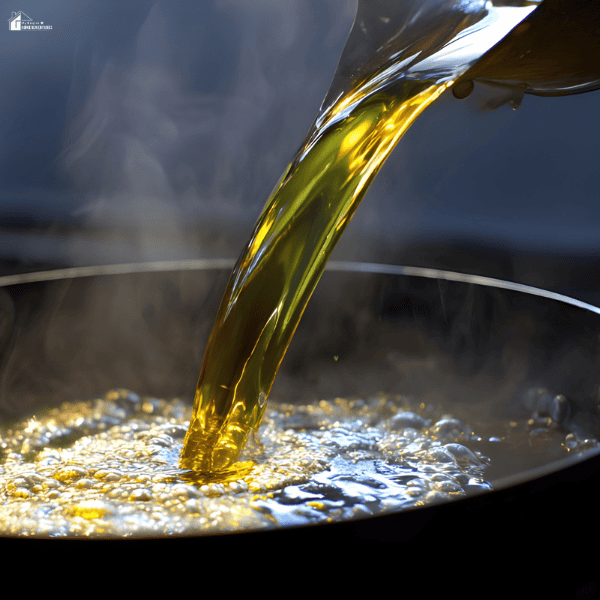
If you’ve ever seared meat or vegetables and noticed the browned bits stuck to the pan, you’ve already seen where wine shines. That layer — called fond — is packed with flavor. When you add wine to a hot skillet, it loosens those bits so they dissolve back into the dish.
The key is timing. Add the wine while the pan is still hot, scrape gently, and let it simmer until the sharp alcohol aroma fades. What’s left is pure flavor.
In slow braises, it helps tenderize tougher cuts while adding backbone to the cooking liquid. Acid breaks down connective tissue, which is why beef, lamb, and pork shoulder benefit from wine early on. That said, wine shouldn’t replace stock entirely.
Think of it as a chapter — part of the liquid base — not the whole story. Too much wine can thin out what should have been a thick sauce. Excess wine can even sour what was a good sauce before that last pour.
Another common mistake is adding wine just before serving. Doing so can leave a harsh, unfinished flavor. Instead, allow enough cooking time for the wine to integrate fully, softening its edge and giving the aromatics time to meld with the dish.
Pairing Wine With Food
Stock up your wine cooler because you’ll want to have a nice array to choose from when cooking with wine. This brings up an important point, which is that your wine should always be properly stored. And once you remove chilled wine, place it back when you’re finished cooking with it.
Repeated temperature swings can dull flavor over time.
Technically, you can pair any wine with any food — it’s your kitchen, you’re the cook, and you’re in charge. But there are some classic pairings that you can learn so you get a step ahead.
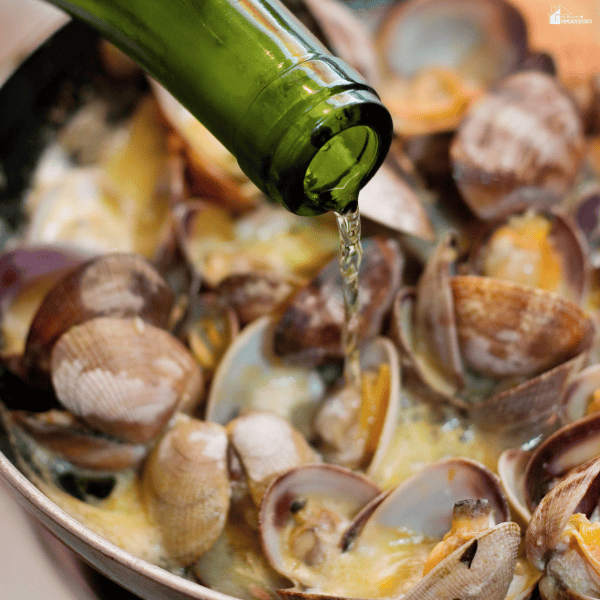
White wine is quite versatile in the kitchen. It works beautifully with seafood, poultry, vegetables, and cream-based sauces, particularly drier varieties like Sauvignon Blanc or Pinot Grigio. It adds brightness without heaviness.
When sautéing garlic or shallots, adding white wine early helps mellow harsh flavors and build a clean base.
Most good cooks know a good Beef Bourguignon when they taste it, and red wine is the star of that show. But reds aren’t only suitable for beef. They pair well with mushrooms, lentils, tomato-based sauces, and even roasted vegetables.
The key is pairing the red with the heaviness of the main ingredient. Lighter dishes want lighter reds. If a sauce tastes muddy, you may have used a wine that’s too tannic or too bold. Next time, choose something simpler and let the food come alive.
Don’t Get Fooled
When shopping for wine for cooking, you’ll come across wine labeled “for cooking,” or “cooking wine.” Keep walking. Cooking wine often has salt added to it (who knows why), and isn’t fit for much else than staying on the grocer’s shelf. Bottom line, if you wouldn’t drink it, don’t cook with it.
For anyone who loves to cook, adding wine to your repertoire will be a welcome addition. Don’t be afraid to experiment, make mistakes, and find delight when your dish comes out better than you ever thought possible. That’s what the joy of cooking is all about.
AUTHOR BIO: Trevor Crivello is the founder and President of Iron Mountain Refrigeration and has a decade of experience in commercial refrigeration. Iron Mountain Refrigeration supplies commercial refrigeration equipment to fast-casual restaurants ranging from small operations to large national chains.
Crivello leads Iron Mountain Refrigeration with a passion for quality and a devotion to providing the highest level of customer service.