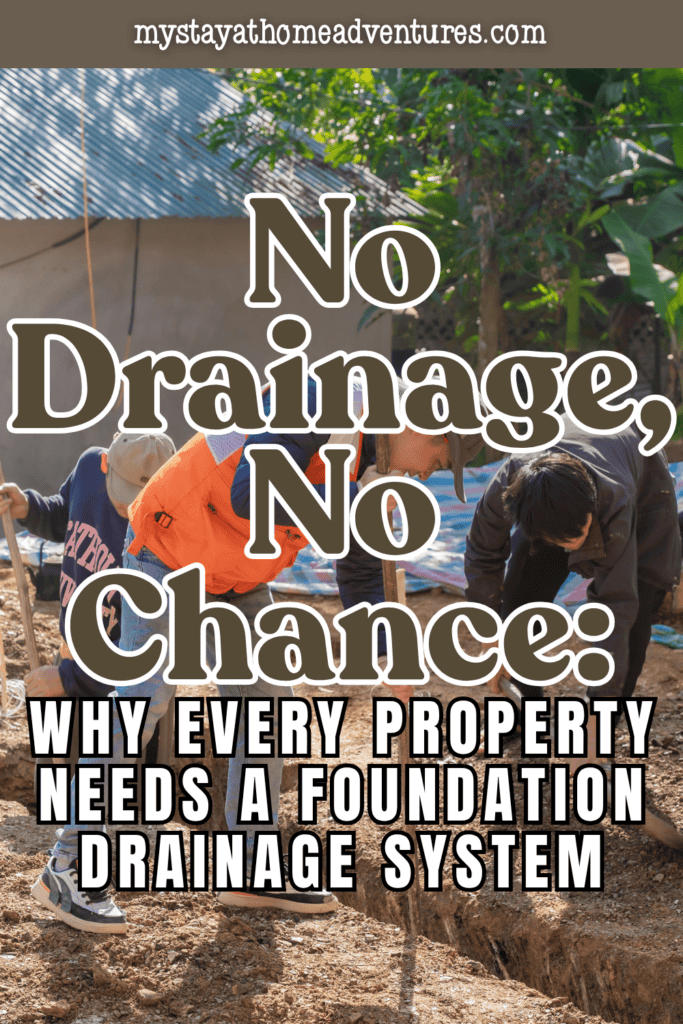
No Drainage, No Chance: Why Every Property Needs a Foundation Drainage System
This post may contain affiliate links which might earn us money. Please read my Disclosure and Privacy policies here
Water doesn’t need to flood a building to cause serious damage. In most cases, foundation problems begin quietly, with moisture slowly building up around the structure. Over time, this constant exposure weakens concrete, shifts soil, and creates conditions that lead to cracks, leaks, and costly repairs.
A foundation drainage system is one of the most critical defenses a property can have, yet it’s often overlooked until damage is already done. Understanding why drainage matters is the first step toward protecting the long-term stability of any property.
How Water Pressure Threatens Your Foundation
When rainwater or groundwater collects around a foundation, it creates hydrostatic pressure that pushes inward on foundation walls. Concrete may look solid, but it’s naturally porous, which allows moisture to seep through microscopic openings.
As pressure builds, water seeps into basements and crawl spaces, causing soil erosion and instability. Over time, this pressure can cause walls to bow, floors to slope, and cracks to spread. Doors and windows may begin to stick, and moisture problems may appear indoors.
These issues don’t happen overnight, which is why drainage problems are often underestimated. A proper foundation drainage system relieves pressure before it can damage the structure, safely redirects water, and preserves the foundation's integrity.
What a Foundation Drainage System Actually Does
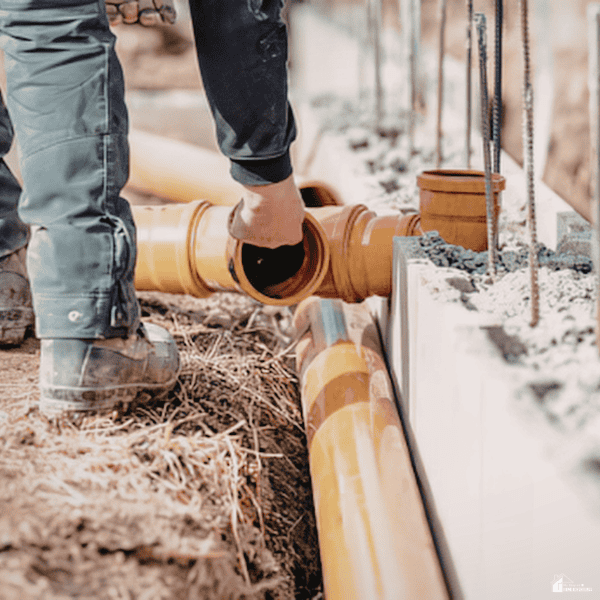
A foundation drainage system is designed to control how water behaves around a building. Its job is simple but powerful: collect excess water and move it away from the foundation before it becomes a problem.
This can be achieved through exterior drainage systems that intercept water before it reaches the foundation or interior systems that manage water after it enters the soil near the structure. By maintaining balanced moisture levels in the surrounding soil, drainage systems help prevent shifting, settling, and erosion.
They also significantly reduce the risk of basement flooding and crawl space dampness. In areas with heavy rainfall or poor soil drainage, these systems are especially important, acting as a constant safeguard against water-related damage that could otherwise go unnoticed for years.
The Long-Term Value of Proper Drainage
Installing or upgrading a foundation drainage system is an investment that pays off over time. Structural foundation repairs are among the most expensive property fixes, often costing far more than preventative drainage solutions.
Effective drainage protects property value by preventing damage instead of reacting to it. Beyond structural benefits, proper drainage improves indoor air quality by limiting moisture that can lead to mold and mildew growth.
Damp environments pose health risks and create unpleasant living or working conditions. A dry foundation supports a healthier interior and extends the building's lifespan. Whether the property is residential or commercial, drainage plays a key role in long-term performance and safety.
Foundation drainage is not an optional add-on; it is a critical component of long-term property protection. Without a proper drainage system, water will eventually seep into even the strongest foundation, leading to structural damage, costly repairs, and ongoing moisture issues.
By managing water pressure, stabilizing the surrounding soil, and keeping the foundation dry, a well-designed drainage solution protects both the building and its value for years to come.
If you’re concerned about drainage or foundation performance, it’s worth consulting professionals who understand these risks. Check out Pinnacle Foundation Repair for expert guidance and proven solutions.