Discover Popular Wood Colors and Grain Styles That Define Beautiful Butcher Blocks
This post may contain affiliate links which might earn us money. Please read my Disclosure and Privacy policies here
A well-crafted butcher block-made piece brings warmth and purpose to a kitchen. Color and grain shape the mood of the space and influence how surfaces feel during daily use. Wood choices speak through tone, texture, and subtle movement across each board.
Design appeal grows when material selection feels intentional. Each species carries a story formed through growth patterns and natural hues. Understanding these details helps create butcher block surfaces that feel inviting and refined.
Timeless Maple Tones for Clean Kitchens
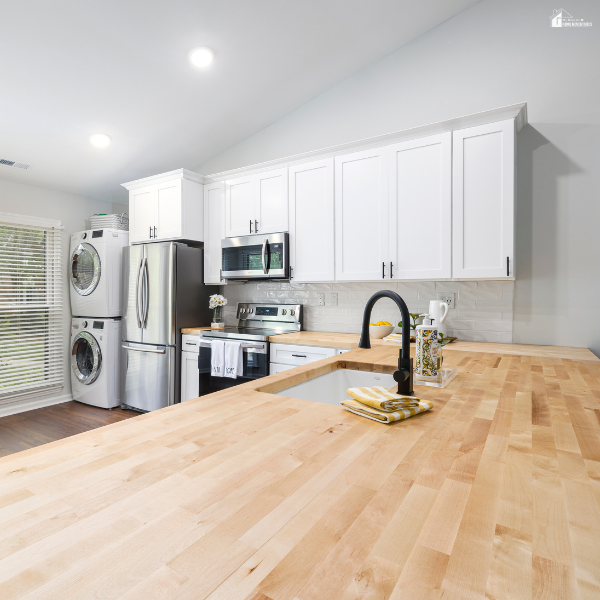
- Soft cream shades with gentle warmth define classic maple butcher blocks. The light color reflects natural brightness and keeps spaces feeling open. Minimal contrast allows surrounding finishes to stand out with ease.
- Fine, uniform grain delivers a smooth and polished look. Subtle patterns avoid visual clutter while supporting a calm design style. This balance suits modern kitchens and transitional layouts.
- Durability adds practical value to maple surfaces. Dense fibers resist dents and scratches during regular prep tasks. This strength supports long-term beauty without heavy maintenance.
Rich Walnut Shades with Elegant Depth
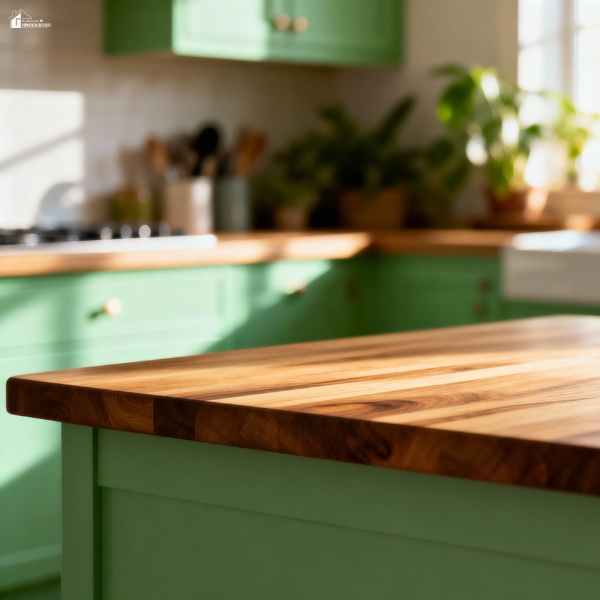
- Deep chocolate tones create a sense of luxury and comfort. Walnut color ranges from dark brown to soft purples that add visual interest. These hues pair well with metal accents and neutral cabinetry.
- Flowing grain patterns introduce movement across the surface. Natural swirls and waves give each slab a distinct personality. Thus, the texture feels refined yet organic.
- Color variation adds character without overwhelming the space. Lighter streaks highlight the natural structure of the wood. This contrast brings warmth to both classic and contemporary kitchens.
Warm Cherry Colors That Mature Gracefully
Cherry butcher blocks display reddish hues that deepen over time. Fresh surfaces start with soft pink undertones that gradually shift into richer amber shades. This natural change creates a living surface that feels personal. Sunlight exposure enhances color development and gives the wood added depth.
Natural luster increases as the surface ages and gains character. Grain patterns remain smooth and subtle across cherry boards. Gentle waves and fine lines offer visual interest without bold contrast. This refined appearance supports elegant kitchen designs.
Oak Grain Patterns that Add Character
Oak surfaces feature pronounced grain lines and visible texture. Straight patterns and open pores give the wood a strong presence. This look suits rustic kitchens and spaces that celebrate natural materials. High tannin content helps oak respond well to staining techniques that enhance depth.
Natural hardness supports heavy kitchen tasks with reliable strength. Color options range from pale honey to medium brown tones. Each shade highlights the grain in a unique way. Thus, the result feels grounded and authentic.
Exotic Woods and Statement Grain Styles
Exotic wood species bring bold color and dramatic grain into focus. Woods such as teak, zebrawood, and acacia offer striking contrasts and unique patterns. These surfaces serve as focal points within curated kitchens.
Grain styles vary from sharp stripes to flowing curls. Visual impact remains strong without sacrificing function. Careful selection ensures harmony with surrounding elements.
Wood color and grain thus shape the personality of every butcher block. Thoughtful choices enhance beauty while supporting daily use. Each surface tells a story through tone, texture, and natural detail.