Overlooked Home Maintenance Areas That Can Cost You Later
This post may contain affiliate links which might earn us money. Please read my Disclosure and Privacy policies here
Homeowners often focus on the big, obvious tasks and forget the smaller ones that quietly affect long-term comfort and safety. Hidden trouble spots inside walls, under roofing layers, and along exterior surfaces gradually develop wear that remains out of sight until repairs become expensive.
Homes in Bremerton also face moisture shifts that intensify the impact of overlooked maintenance. Attention to these subtle areas keeps repairs manageable and helps protect both structural integrity and everyday convenience.
Strong awareness of these vulnerable points builds a more resilient home and reduces the chances of sudden problems showing up at the worst possible time.
Roof Issues That Develop Above and Beneath the Surface
Most homeowners only notice roof problems when leaks begin to appear on ceilings. Smaller signs of wear often go unnoticed during regular maintenance.
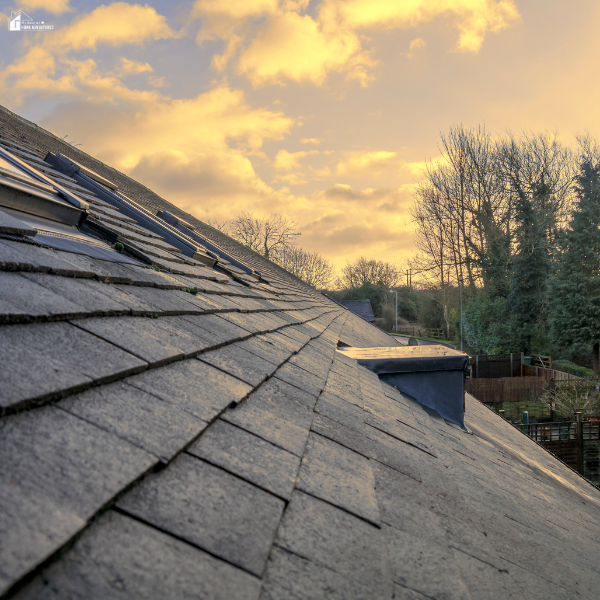
A few loose shingles, minor flashing gaps, or debris collecting in gutters may seem harmless, yet these details often signal early deterioration that gradually weakens the roof’s protective layers.
Problems can also develop beneath the surface, where underlayment and support boards absorb moisture over time. These materials may soften or sag long before any interior damage becomes visible.
Maintaining a proper inspection schedule helps identify issues at both levels and ensures the roof continues to perform well throughout the seasons. If you’re looking to connect with a company that offers roof replacement in Bremerton, choose a contractor that specializes in full-system replacements and prioritizes long-term durability over temporary fixes.
Working with experienced roofing professionals ensures the replacement is completed correctly, meets local standards, and delivers dependable protection that homeowners can trust long term.
Aging HVAC Components That Strain Efficiency
HVAC systems work daily to keep indoor temperatures steady, and small internal issues gradually build over time. Dust settles on coils, belts loosen, and older components lose strength with each year of use.
These small shifts make the unit work harder for the same output, which leads to higher energy bills and more frequent wear.
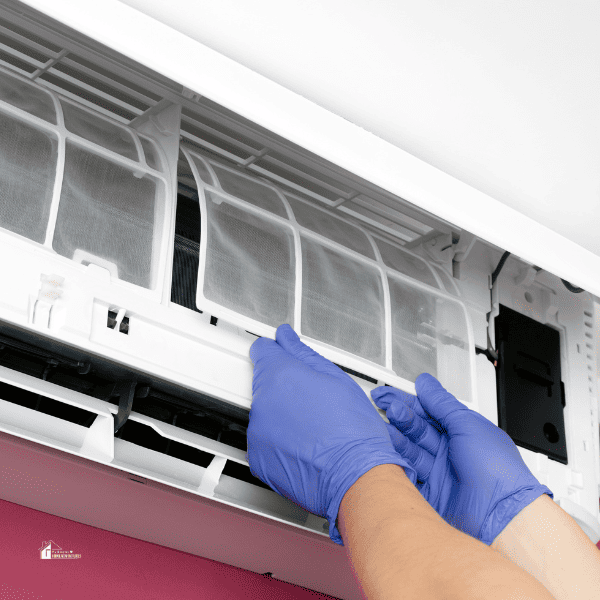
A steady maintenance plan helps catch weakened parts early. Clean filters, calibrated thermostats, and timely replacements allow the system to operate smoothly. A well-maintained unit lasts longer, keeps indoor air more comfortable, and helps avoid sudden breakdowns that often occur during temperature extremes.
Plumbing Lines That Develop Slow Leaks
Tiny leaks rarely draw attention right away. A small drip behind a wall or under a sink might seem harmless, yet persistent moisture creates a perfect environment for mold growth. Wood framing softens over time, insulation loses its effectiveness, and drywall begins to crumble.
These issues escalate quietly until repairs become far more complicated than a simple pipe adjustment. Routine checks of supply lines, shutoff valves, and visible joints help spot trouble early. Quick repairs save money and prevent the kind of widespread moisture damage that often requires extensive restoration.
Electrical Issues Hidden Behind Outlets and Panels
Electrical systems age even when everything appears normal on the surface. Worn wiring, outdated panels, and loose connections remain hidden behind walls and access covers. These issues rarely reveal themselves until a breaker trips repeatedly or an outlet stops working.
Early evaluations help prevent fire hazards and protect appliances from voltage irregularities. A licensed professional can identify weak points that homeowners usually miss. Regular assessments support safer operation throughout the home and help avoid emergency repairs.
Exterior Caulking and Seals That Break Down Over Time
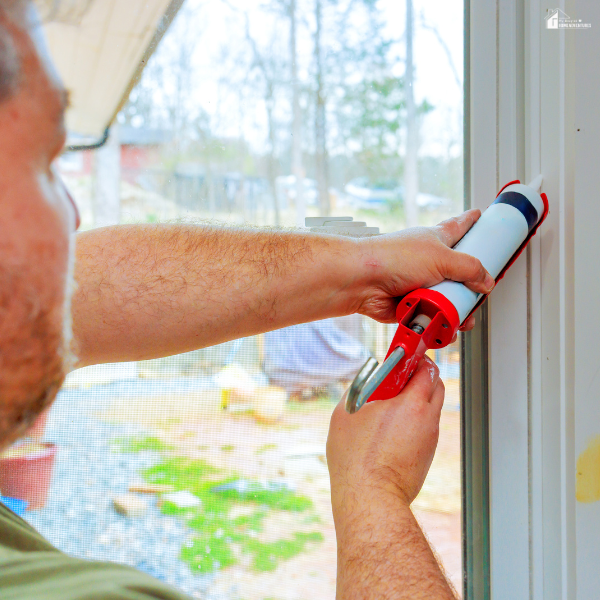
Gaps around windows, doors, and trim widen slowly as older caulking loses flexibility. Small openings allow drafts and moisture to slip inside, which affects indoor comfort and puts pressure on heating and cooling systems. Water intrusion around these entry points also threatens surrounding materials.
Simple touch-ups restore tight seals and keep vulnerable areas protected. Consistent care around exterior edges helps preserve insulation, prevent rot, and maintain a balanced indoor environment.
Foundation Settling That Appears Subtle at First
Early signs of foundation movement often look insignificant. A faint crack in a wall corner or a slight change in how a door closes might not seem urgent. These clues, however, can signal shifting soil or drainage concerns that place uneven pressure on the structure.
Moisture around the perimeter softens the ground and allows sections of the foundation to settle at different rates.
Small changes become larger when left unchecked, which leads to uneven floors or widening cracks that affect both stability and safety. A timely inspection helps identify the cause and directs repairs before the problem turns into a major structural issue.
Simple adjustments around the property, such as improving water flow or reinforcing vulnerable sections, help maintain stability for years.
Drainage Systems That Redirect Water Toward the Home
Drainage problems often develop quietly. Clogged gutters, crushed downspouts, or soil that slopes toward the house redirect water to areas where it causes the most damage.
Water pooling near the foundation weakens soil, encourages mold, and increases the risk of basement leaks. Even small drainage issues can create long-term consequences when ignored.
Clearing gutters, extending downspouts, and shaping the soil to guide water away from the home support a strong and dry foundation. These steps also protect landscaping and reduce moisture-related problems inside the home.
Forgotten Attic Spaces That Trap Moisture
Attics rarely receive attention unless homeowners store items there. The quiet space above the living area often holds a mix of insulation, old materials, and warm air that becomes a breeding ground for moisture problems. Poor ventilation traps heat, which encourages condensation on wood framing and roof decking.
Damp materials attract pests and allow mold to spread quickly. Checking the attic periodically helps reveal ventilation gaps, insulation issues, or early signs of roof moisture.
Better airflow supports healthier indoor air quality and protects the structure from long-term damage. Maintaining this space improves energy performance and reduces the chance of unexpected repairs.
Homes remain reliable when small maintenance tasks receive consistent attention. The areas that stay out of sight often create the greatest challenges when overlooked for long periods.
A steady approach that focuses on roofing layers, mechanical systems, drainage, and hidden moisture helps build a strong foundation for long-term comfort.
Early detection protects the structure, lowers energy costs, and prevents sudden repair bills. Regular care and awareness keep homeowners prepared, confident, and comfortable throughout the seasons.