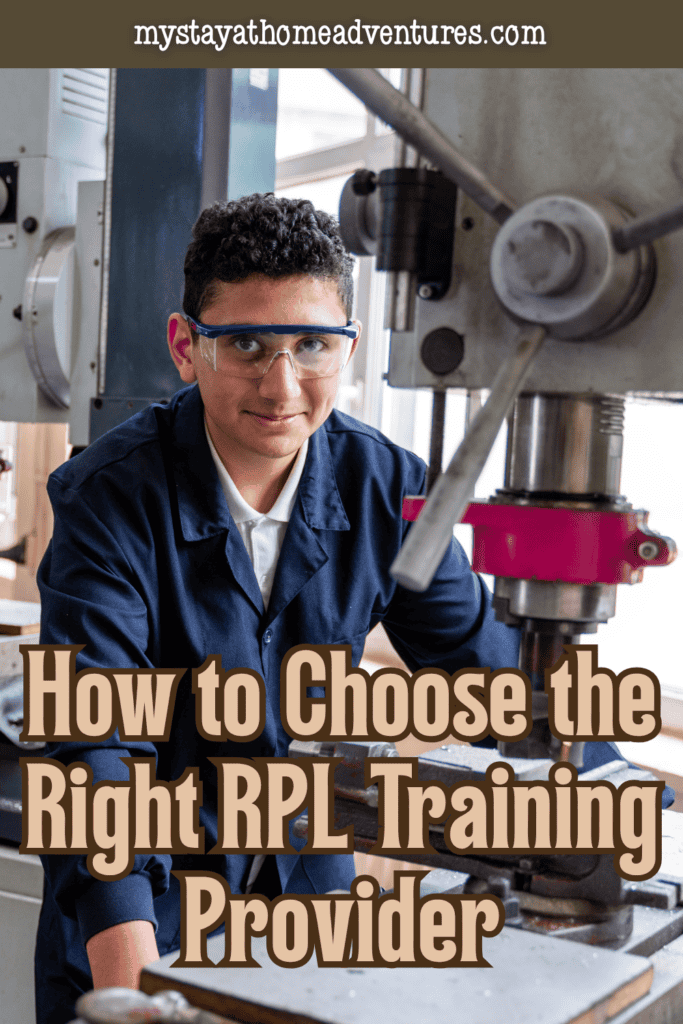
How to Choose the Right RPL Training Provider
This post may contain affiliate links which might earn us money. Please read my Disclosure and Privacy policies here
Recognition of Prior Learning (RPL) can be a practical way for experienced workers to gain formal recognition for skills and knowledge developed through employment, previous study, volunteering or other relevant experiences.
Rather than repeating training for competencies they already possess, eligible candidates may be able to have their existing skills assessed against the requirements of a nationally recognized qualification.
However, choosing the right rpl training provider is an important decision. The quality of the provider, assessment process and support can significantly affect your experience and the outcome of your application.
With many organisations offering RPL services in Australia, it is worth taking the time to compare your options before proceeding.

Check That the Provider Is Properly Registered
One of the first things to check is whether the organisation is a Registered Training Organisation (RTO) and is authorised to deliver the qualification or units you are seeking.
In Australia, RTOs are responsible for delivering nationally recognized training and conducting assessments in accordance with relevant standards and regulatory requirements.
Check the provider's registration details and confirm that the specific qualification or units are within its approved scope of registration. A provider's marketing material should not be the only basis for making your decision.
Look for Experience with RPL Assessments
RPL assessment is different from conventional classroom-based training. The provider needs to evaluate whether your existing skills and knowledge meet the requirements of the relevant qualification or units.
Look for an RPL training provider with experience in your industry or occupational area. An experienced assessor is more likely to understand the practical skills involved in your profession and can explain what evidence may be appropriate.
For example, evidence could include employment records, job descriptions, workplace documents, portfolios, licences, previous qualifications, supervisor reports, photographs or demonstrations of skills, depending on the qualification and assessment requirements.
Understand the Assessment Process
A reputable provider should clearly explain how its RPL process works before you commit. Ask about the initial consultation, evidence requirements, assessment methods, assessor involvement and expected timeframe.
Be cautious of providers that suggest you can receive a qualification without completing a genuine assessment. RPL is not simply a shortcut to a certificate. You still need to demonstrate that your existing skills and knowledge meet the required competency standards.
A transparent provider should also explain what happens if your evidence does not fully demonstrate a particular competency. You may be given an opportunity to provide additional evidence or undertake further training where appropriate.

Compare Costs and Inclusions
RPL fees can vary depending on the qualification, number of units, complexity of the assessment and amount of support required. When comparing providers, look beyond the advertised price.
Ask what is included in the fee and whether there are additional charges for assessment, reassessment, administration, certification or supplementary training. A slightly higher fee may provide better assessor support and a clearer assessment process, while the cheapest option may not necessarily offer the best value.
Consider the Level of Student Support
Good communication can make the RPL process considerably easier. Find out whether you will have access to an assessor or RPL adviser who can explain the evidence requirements and answer questions throughout the assessment.
Consider whether the provider offers consultations by phone, email, video call or other convenient methods. If you are working full-time, flexible communication and assessment arrangements can be particularly valuable.
Read Reviews and Ask Questions
Online reviews can provide insight into other candidates' experiences, although they should not be your only source of information. Look for feedback about communication, professionalism, assessment clarity and support.
Before enrolling, prepare a list of questions about the qualification, assessment process, fees, evidence requirements and expected timeframe. A professional provider should be willing to provide clear answers without making unrealistic promises.
Choose Quality Over Convenience
The right RPL provider should make the process straightforward without compromising assessment integrity. Look for an organisation that is properly registered, experienced in your industry, transparent about its fees and assessment requirements, and committed to providing appropriate support.
Taking the time to compare RPL training providers in Australia can help you choose a service that recognizes your existing skills through a legitimate and structured assessment process.
With the right provider, RPL can be an effective pathway towards formal recognition while avoiding unnecessary duplication of training and assessment.