Why Your Electric Bill Is So High (Even If You’re Careful)
This post may contain affiliate links which might earn us money. Please read my Disclosure and Privacy policies here
I don’t know about you, but opening my electric bill lately feels like a shock every single time.
And the frustrating part? I’m careful.
I turn off lights. I’m not running things all day. I try to stay on top of it.
So why does it still feel so high?
Yes, rates have gone up — but that’s not always the full story. Sometimes your home is quietly working against you, and you don’t even realize it.
Once I started paying closer attention in my own house, I realized there were things I was completely overlooking.

What a “Normal” Electric Bill Looks Like Right Now
Right now, it’s not unusual to see electric bills around $150 to $300 or more depending on the season.
Heating and cooling take up the biggest part of that, but what surprised me is how much wasted energy adds to the total.
Not from using more — just from small things not working the way they should.
Real Reasons Your Electric Bill Is Higher Than It Should Be
A lot of the time, it comes down to things happening in your home that you don’t see right away.
Your home is losing air without you realizing it
Even something simple like windows that aren’t sealed well can let air out all day long.
And if they’re dusty or haven’t been cleaned in a while, they don’t always close as tightly as they should.
Your attic insulation isn’t doing what you think it is
Over time, insulation can shift or stop working as well.
When that happens, your home can’t hold temperature the way it should, and your system has to keep running to keep up.
Your roof might be part of the problem
This is something I didn’t think about at first, but it makes sense once you realize it.
If your roof has small issues like damage or weak spots, your home can lose heat faster than you think. That means your system runs longer, and your bill keeps going up.
In some cases, it’s worth looking into something like roof repair in Lorton to fix what’s actually causing the problem instead of just paying higher bills every month.
Appliances are working harder than they should
Older appliances or ones that haven’t been maintained can pull more energy than they need to.
Small daily habits that add up
It’s not one big thing — it’s a bunch of small things stacking up over time.
What I Actually Started Doing at Home
Once I realized my bill wasn’t just about rates, I stopped guessing and started doing small things around the house that I could control.
Not expensive fixes. Just real-life things.
I cleaned things I didn’t think mattered
This sounds simple, but it made a difference.
I cleaned my windows and checked how they closed. I wiped down the tracks, and I noticed some weren’t sealing as tightly because of dirt buildup.
Same with vents and baseboards. When airflow is blocked, your system works harder.
Even my fridge — I pulled it out and cleaned behind it. The dust buildup back there was unreal, and it made me realize how much harder it was probably working.
I checked areas where air might be escaping
I walked around my house and paid attention to how it felt.
Near windows, near doors, certain rooms that never stay the same temperature — that told me more than anything.
I stopped ignoring “out of sight” spaces
Attic, behind appliances, vents, dryer… those areas are easy to forget, but they matter.
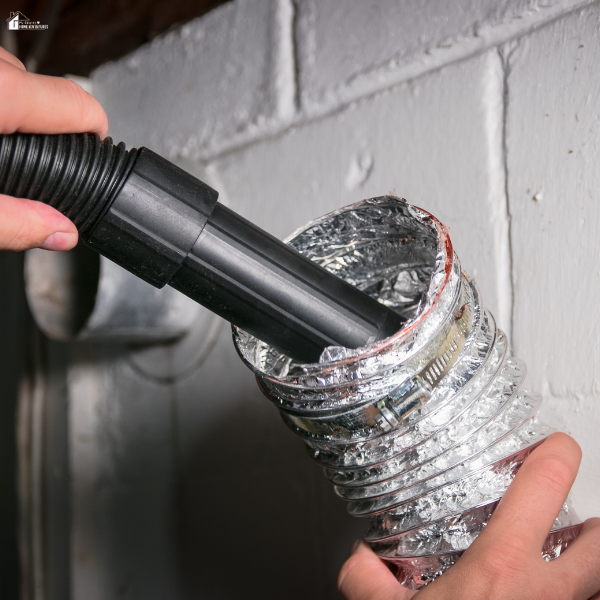
One big one for me was the dryer vent. I didn’t realize how much lint builds up over time, and that can make your dryer run longer and use more energy.
I ended up using something like this dryer vent cleaning kit to clean it out, and it’s one of those things you don’t think about until you do it.
Simple Home Energy Cleaning Checklist
This is the kind of thing I wish I had earlier — nothing complicated, just a quick way to stay on top of things.
| Task | How Often | Why It Matters |
| Clean window tracks and check seals | Monthly | Helps windows close tightly and reduces air loss |
| Dust vents and air returns | Monthly | Keeps airflow strong so systems don’t work harder |
| Clean behind and under fridge | Every 2–3 months | Helps fridge run efficiently |
| Check door seals | Monthly | Prevents air from escaping |
| Clean dryer vent | Every 3–6 months | Reduces drying time and energy use |
| Replace or clean air filters | Every 1–3 months | Improves airflow and system efficiency |
You don’t have to do everything at once.
Even doing one or two of these can start making a difference over time.
Real-Life Breakdown: Where the Electric Bill Goes
When I looked at my own bill, I wanted a simple way to understand what might actually be behind the total.
Here’s a realistic breakdown based on what many homes experience:
| Category | Estimated Monthly Cost |
| Heating / Cooling | $120 – $250 |
| Water Heater | $30 – $60 |
| Kitchen Appliances | $25 – $50 |
| Laundry | $20 – $40 |
| Lighting | $15 – $30 |
| Electronics & Devices | $20 – $50 |
| Energy Loss (windows, insulation, roof issues) | $50 – $150+ |
That last part is the one that surprised me the most.
It’s not something you see, and it’s not something you think about every day, but it can quietly add up month after month.
What I’ve Learned From Watching My Own Bills
I used to think saving money on electricity meant cutting back on everything.
But now I see it differently.
It’s not always about using less — it’s about fixing what’s quietly costing you money.
For me, it started with simple things like cleaning, checking, and paying attention to how my home actually feels day to day.
Because once you start looking, you realize it’s not just one thing.
And sometimes, the reason your bill is high has nothing to do with you being careless at all.