What Exterior Painting Services Cost and What Affects the Price
This post may contain affiliate links which might earn us money. Please read my Disclosure and Privacy policies here
Exterior painting costs depend on more than a home's size. Surface condition, paint type, access, preparation, and local weather all change the labor and materials required. A clear estimate separates those factors instead of treating every property alike.
Jacksonville homeowners also need to account for humidity, intense sun, and salt air near the coast. Knowing what shapes the quote makes comparison easier and helps prevent unexpected charges during the project.
A homeowner researching the cost of exterior painting services in Jacksonville, FL needs to examine what each estimate includes. Some quotes cover washing, scraping, priming, and cleanup, while others price those tasks separately.
The written scope should identify the paint areas, number of coats, repairs, materials, labor, and payment schedule. That detail makes two estimates easier to compare and exposes low bids that omit necessary preparation.
What The Estimate Usually Covers
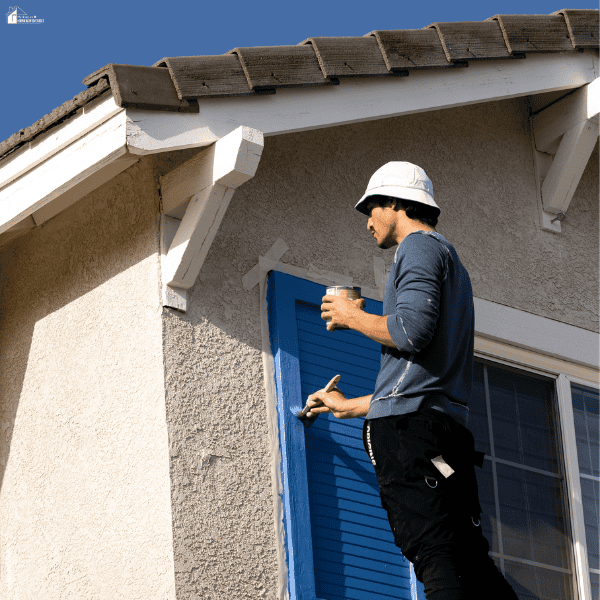
An exterior painting estimate usually begins with measurable areas, such as siding, stucco, trim, doors, shutters, and detached structures. The estimator should record the home’s stories, wall height, surface material, and approximate square footage.
Those details influence ladder placement, equipment needs, production time, and paint quantity. A quote based on visible wall area alone can miss trim work or difficult sections around porches, dormers, and rooflines.
Preparation should appear as a separate line or clear part of the scope. Pressure washing removes dirt, mildew, and loose residue, while scraping and sanding address failing paint. Caulking closes selected gaps around windows and trim.
Bare or repaired areas often need primer before finish coats. If the estimate skips these tasks, the final bill can rise after work begins.
Surface Condition And Preparation
Existing paint condition often separates a short project from a labor-heavy one. Peeling layers must be removed before new paint can bond. Soft wood, cracked stucco, damaged siding, and failed caulk require repairs that fall outside routine coating work.
Extensive rot or water damage needs separate evaluation because paint cannot correct the underlying failure. Photos help estimators spot issues, but an on-site inspection gives a more reliable scope.
Paint Selection and Coverage
Paint selection affects material cost and expected service life. Exterior products differ by finish, coverage, mildew resistance, and suitability for masonry or wood. A darker color can require additional coats when it covers a light existing color, especially with lower-hiding products.
The estimate should name the product category, finish, sheen, color count, and planned coats. Changing colors after approval can add labor and material charges.
Access and Property Conditions
Access affects labor because crews need safe, efficient access to every painted surface. Two-story walls, steep rooflines, enclosed porches, and narrow side yards can require extra setup or specialized equipment.
Landscaping, outdoor furniture, gates, and utility lines also affect movement around the home. A property with clear access usually needs less setup time than one with blocked work areas.
Weather and Timing
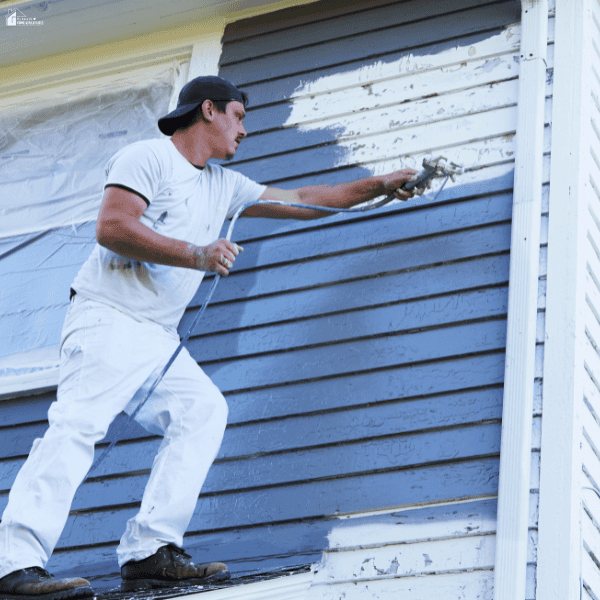
Jacksonville’s climate creates scheduling and coating concerns that affect labor planning. High humidity slows drying, while rain can interrupt preparation or postpone a finish coat. Direct sun heats exterior surfaces and changes how quickly paint sets.
Coastal properties also face salt exposure, which makes thorough cleaning and sound surface preparation more important. A contractor should explain weather delays and the conditions required for application.
Labor and Material Costs
Labor often accounts for much of an exterior painting bill because preparation and access require time. Material charges include paint, primer, caulk, masking supplies, and coverings. Larger homes need more coverage, while intricate trim increases brushwork.
A quote should separate labor, materials, repairs, and taxes when applicable, so changes remain easy to track.
How to Compare Quotes
Price alone does not show whether an estimate is complete. Homeowners should compare the same painted surfaces, preparation steps, coating system, number of coats, repair allowance, cleanup duties, and warranty terms.
The payment schedule and start date also deserve review. A detailed proposal lets the homeowner ask about exclusions before signing, rather than discovering extra charges after the crew arrives.
Questions to Ask Before Hiring
Before approving a quote, ask who handles surface repairs, whether primer is included, and how daily cleanup works.
Confirm that workers will protect windows, plants, paved areas, and outdoor fixtures. Ask how color changes, hidden damage, rain delays, and added coats affect the price. Written answers reduce disputes and give the homeowner a record of the agreed scope.
Conclusion
Exterior painting quotes become easier to judge when the scope matches the property’s needs. Surface condition, access, climate, paint selection, and preparation each affect labor or materials. A homeowner should request a written proposal that lists surfaces, coats, repairs, exclusions, cleanup, and payment terms.
Comparing complete scopes, rather than isolated totals, provides a solid basis for choosing a schedule and budget that fit the home without relying on guesswork alone.