How to Plan a Kitchen Remodel Without Wrecking Your Routine
This post may contain affiliate links which might earn us money. Please read my Disclosure and Privacy policies here
Your kitchen does a lot more than hold snacks and dirty mugs. It’s where you make rushed breakfasts, late-night noodles, and questionable science experiments with leftovers. A remodel can turn that daily chaos into a space that actually works for you.
If you’re planning one, it helps to think beyond paint colors and pretty tiles. The smartest kitchen upgrades balance style, budget, workflow, and the reality of living through construction.
Choose a Layout That Saves Steps and Reduces Clutter
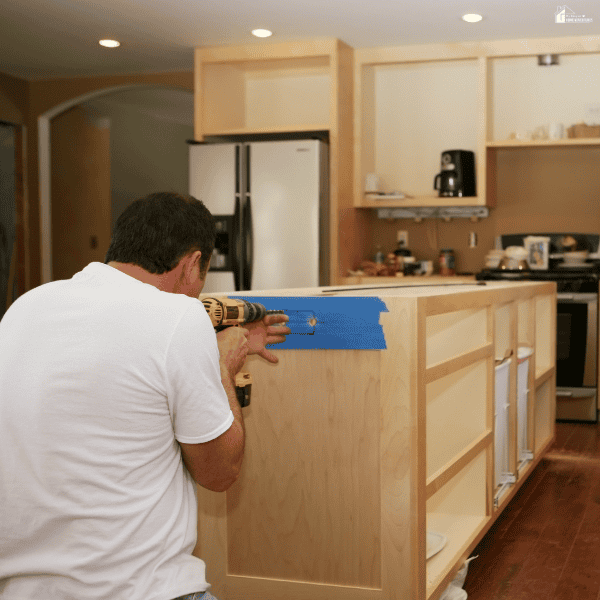
A kitchen should help you move, not trap you in a maze of stools, doors, and awkward corners. Layout affects everything: cooking speed, storage access, cleaning, and how many people can be in the space without causing low-grade irritation.
The classic work triangle still matters, but modern kitchens often work better with task zones. Your fridge, sink, and stove should feel connected, yet not cramped. Islands are useful only if they leave enough clearance around them. Big island, tiny walkway is a design fail with a granite top.
Common layouts include:
– Galley kitchens for compact efficiency
– L-shaped layouts for open movement
– U-shaped kitchens for strong storage capacity
– Open-plan kitchens with islands for gathering and multitasking
If you want a custom setup with cabinetry, storage, and layout tailored to how you cook, working with a kitchen remodeler can help you sort style from substance.
Start With How You Actually Use Your Kitchen
Before you choose cabinets or scroll through endless inspiration photos, pay attention to your habits. If you always drop backpacks, mail, and groceries on one counter, your layout already has a stress point. If two people can’t open drawers at once without a polite standoff, your traffic flow needs work.
Write down what annoys you most. Maybe you need deeper drawers for pots, better lighting near the stove, or an island that does more than look expensive. A good remodel starts with function, not fantasy.
Think in zones:
– Prep area near the sink
– Cooking area with easy utensil access
– Storage for dry goods and small appliances
– Cleanup zone that doesn’t block movement
When your kitchen fits your routine, even Monday feels slightly less rude.
Set a Budget That Covers the Obvious and the Sneaky Costs
Kitchen remodel budgets have a talent for growing teeth. Cabinets, countertops, labor, permits, electrical work, and plumbing changes can stack up fast. Then come the sneaky extras: temporary meals, delivery fees, hardware upgrades, and the sudden realization that old flooring under cabinets looks tragic.
Break your budget into categories so you can see where your money is going. Prioritize the parts you use hardest every day. Cabinets and layout usually matter more long-term than trendy light fixtures you found at 1 a.m.
Keep a contingency fund of 10 to 20 percent for surprises. Older homes especially love hiding issues behind walls.
Helpful budget categories include:
– Design and planning
– Demolition and disposal
– Cabinets and storage
– Countertops and backsplash
– Appliances
– Flooring and lighting
– Labor and permit costs
A realistic budget doesn’t kill creativity. It keeps regret from moving in rent-free.
Pick Materials That Can Survive Real Life
A beautiful kitchen isn’t useful if you have to panic every time someone spills tomato sauce. Materials need to match your daily life, not just your mood board. If your kitchen gets heavy traffic, durability should be near the top of your list.
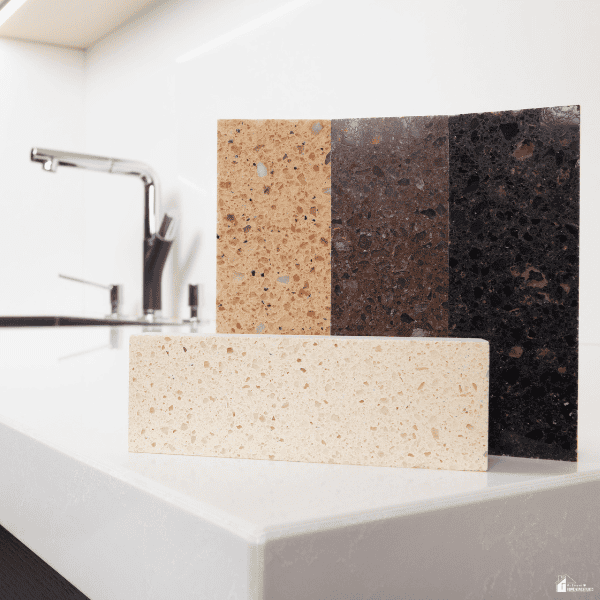
Quartz countertops are popular because they’re low maintenance and tough. Hardwood floors look great, but they need more care around water. Luxury vinyl and tile can handle messes with less drama. Cabinet finishes also matter.
Matte surfaces can hide fingerprints better than glossy ones, which is helpful if your household treats cabinets like touchscreens.
When comparing materials, consider:
– Scratch and stain resistance
– Cleaning requirements
– Moisture tolerance
– Lifespan and repair options
– How the finish looks in natural and artificial light
Good materials don’t need to be flashy. They need to hold up when life gets loud, sticky, and very hungry.
Plan Storage Like Someone Who Owns Too Much Stuff
Most kitchen frustration comes from bad storage, not lack of effort. If your drawers are stuffed with mystery lids and your blender lives in exile on top of the fridge, the space is working against you.
A smart remodel gives everything a home. Deep drawers are often better than lower cabinets because you can actually see what’s inside. Pull-out pantry shelves stop items from disappearing into the abyss.
Vertical dividers help with trays, cutting boards, and baking sheets. Small decisions like these make your kitchen feel bigger without moving a single wall.
Useful storage upgrades include:
– Drawer organizers for utensils and tools
– Pull-out trash and recycling bins
– Spice storage near the cooking zone
– Appliance garages for bulky countertop gear
– Pantry shelves with adjustable heights
Storage should support your habits. If you bake often, plan for mixers and sheet pans. If takeout is your love language, at least make room for containers.
Prepare for the Remodel Without Losing Your Mind
Even a well-planned kitchen remodel disrupts daily life. Water may be off for part of the day. Dust can sneak into places that seem legally protected. Your coffee setup may end up in the laundry room, which feels wrong because it is.
Set up a temporary kitchen before demolition starts. Use a microwave, coffee maker, toaster oven, and a few essential dishes in another room. Store snacks, paper towels, and cleaning supplies where you can reach them easily. If you have kids, build simple meal plans for the busiest construction days.
A few survival tips:
– Label boxes when packing kitchen items
– Keep one sink accessible if possible
– Ask for a project timeline with milestones
– Confirm delivery dates for materials early
– Expect some noise, delays, and mild chaos
The goal isn’t perfection. It’s making the process manageable while your future kitchen takes shape.
Focus on Choices You’ll Still Like Years From Now
Trends can be fun, but kitchens cost too much to remodel around a social media phase. If you love a bold look, use it in elements that are easier to swap later, like paint, stools, or lighting. Save your bigger investment for features with staying power.
Timeless doesn’t mean boring. It means your kitchen still feels solid after the hype cycle moves on. Neutral cabinets, quality hardware, layered lighting, and practical storage tend to age well. Add personality through texture, fixtures, or a backsplash that fits your style without hijacking the whole room.
A strong remodel usually includes:
– Task lighting under cabinets
– Durable countertops
– Easy-to-clean finishes
– Plenty of outlets in useful spots
– Seating that fits the room comfortably
If your kitchen looks good and works hard, you’ve already won. The best remodel isn’t the fanciest one. It’s the one that makes everyday life easier the minute you start using it.