7 Tips for Selecting a Qualified Expert for Your Puppy’s Dog Training
This post may contain affiliate links which might earn us money. Please read my Disclosure and Privacy policies here
Guiding your young canine companion through their initial developmental phases requires a structured approach that establishes clear communication. While puppies possess an incredible capacity to learn rapidly, exposing them to overly harsh handling techniques can create behavioural issues.
This article explores seven essential tips to help you select the most qualified training expert for your young pup.
1. Verifying Positive Reinforcement Training Methodologies
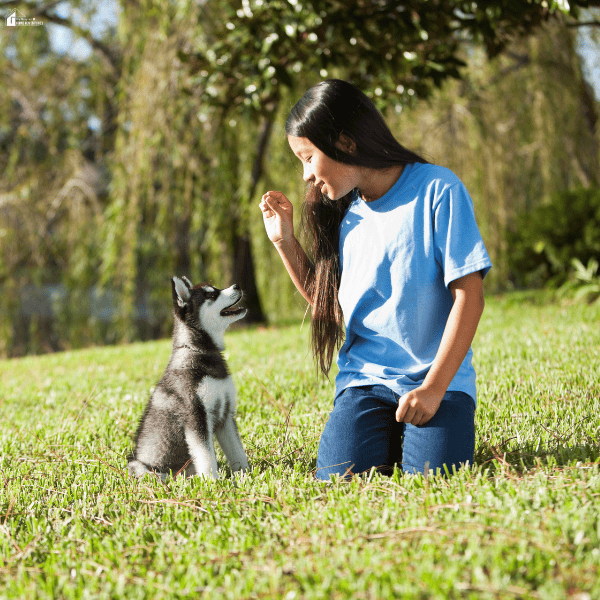
Before committing to any training programme, investigate the techniques that the instructor uses to modify animal behaviour.
Qualified experts rely on reward-based positive reinforcement methods, which involve using treats and favourite toys to motivate your puppy to repeat desirable actions. Avoid anyone who suggests using physical force, as these outdated practices destroy your young dog's fragile trust.
2. Checking Industry Credentials and Continuing Education
The pet care industry does not have strict government licensing laws, meaning that anyone can advertise themselves as a professional animal behaviourist. To protect your pet, seek out instructors who hold verified certifications from recognised international bodies.
These credentials prove that the expert has passed comprehensive theoretical exams and logged hundreds of hours of hands-on dog training work.
3. Assessing Small Group Class Environment Safety
If you plan to enrol your young companion in a puppy preschool, evaluate how the trainer structures and manages the physical learning space.
High-quality classes strictly limit the number of attendees to four or five puppies per instructor to ensure that every participant receives adequate personal attention. The training floor should be sanitised to prevent the transmission of dangerous viruses like parvovirus.
4. Observing Real-Life Trainer Communication Skills
An animal instructor must be just as skilled at communicating with human owners as they are at handling young canines. During your initial consultation, observe whether the expert explains behavioural concepts and answers your questions.
Because you are the one who will be maintaining the routines, the trainer must be able to teach you how to time your rewards and handle the leash correctly.
5. Inquiring About Targeted Puppy Socialisation Strategies
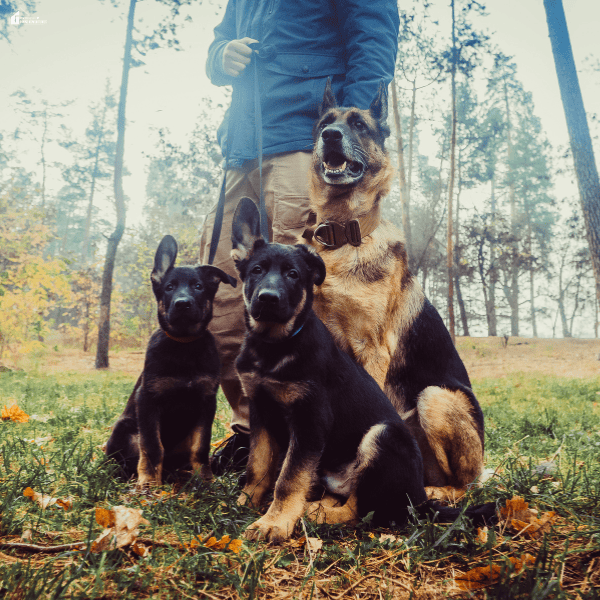
A qualified training expert understands that true socialisation involves exposing your young pup to a wide variety of novel surfaces in a calm manner.
The trainer should protect your puppy from negative experiences, ensuring that every new interaction remains completely positive. Also, prioritising a good approach to exposure prevents your pet from developing lifelong phobias or reactive behaviours.
6. Demanding Total Transparency in Training Logistics
A reputable professional will welcome your presence during every single phase of the training process. Avoid facilities that offer board-and-train packages where you are banned from viewing the working sessions or checking the housing conditions.
Total transparency guarantees that no hidden, harmful methods are being used to force your puppy into submission while you are absent from the room.
7. Seeking Tailored Solutions for Everyday Problems
Every young dog possesses a unique personality and learning pace, which means that rigid training templates rarely yield successful results.
Your chosen expert should take the time to evaluate your pup's specific temperament and customise their advice to address common home challenges like mouthing. Plus, the instructor must provide flexible solutions that fit seamlessly into your family's daily lifestyle.
Empowering Your Puppy's Development with Certainty Today
By prioritising positive reinforcement, verifying official credentials, and seeking operational transparency, you protect your young companion from outdated handling methods. Empowering yourself with an expert coach ensures that your puppy grows into a calm and well-behaved adult dog.
So selecting a highly qualified guide allows you to build a deep bond of mutual trust and joy with your furry friend.