Kitchen Chemistry via Webcams: Facilitating Safe, Collaborative Lab Activities in Remote Elementary Pods
This post may contain affiliate links which might earn us money. Please read my Disclosure and Privacy policies here
Kitchen chemistry via webcams turns home kitchens into exciting labs, allowing you and your elementary students to explore science safely together. You can collect everyday materials and conduct fun experiments that spark curiosity and creativity.
Webcams keep everyone connected, fostering collaboration and enabling real-time discussions. By engaging in this hands-on learning approach, you can enhance understanding and enthusiasm for science. If you’re curious about setting it all up, there’s plenty more to uncover!

The Importance of Hands-On Science Learning
When you immerse yourself in hands-on science learning, you reveal a world of exploration that's far more engaging than just reading about concepts in a textbook.
Active participation in experiments allows you to connect theory with real-life applications, igniting your curiosity and creativity. You’re not just a passive observer; you’re a scientist, mixing, measuring, and discovering.
Experiential learning fosters deeper understanding, as you see firsthand how scientific principles come to life. You’ll find that making mistakes is part of the process, turning setbacks into valuable lessons.
This freedom to experiment in your kitchen lab cultivates a sense of ownership over your learning. So, grab those ingredients and get ready to release your inner chemist, transforming your space into a vibrant classroom!
Challenges of Remote Learning in Science
Remote learning can feel like a science experiment gone wrong, especially when you’re missing that hands-on experience.
You might find your engagement waning and motivation slipping without those dynamic lab activities.
Let’s explore how these challenges shape your learning journey in science.
Limited Hands-On Experience
Though technology has opened new avenues for learning, it often falls short in providing the hands-on experience essential for grasping scientific concepts. You might find yourself relying on limited resources, which can stifle creativity and experimentation.
While webcams offer a window into the lab, they can’t replace the tactile thrill of mixing chemicals or observing reactions up close. Alternative methods, like kitchen experiments, can bridge this gap, but they require thoughtful planning and adaptability.
You want to engage your curiosity and explore the world of science, but without direct interaction, it’s easy to feel disconnected. Embracing innovative approaches can help you reclaim that hands-on experience, ensuring you discover the wonders of science—even from a distance.
Engagement and Motivation Issues
While you might have access to a wealth of online resources, staying engaged and motivated in science can feel like an uphill battle. Remote learning often strips away the excitement that comes from hands-on experiments and collaborative interactions.
To boost student engagement, consider incorporating fun, interactive challenges that allow you to explore science at home. Use simple kitchen items to create experiments, turning everyday moments into learning opportunities.
Motivation strategies like gamifying assignments or setting personal science goals can spark your curiosity and drive. By fostering a sense of community through group projects or virtual lab discussions, you'll find that learning can still be dynamic and enjoyable, even from afar.
Embrace this chance to innovate your scientific journey!
How Webcams Enhance Collaborative Learning Experiences
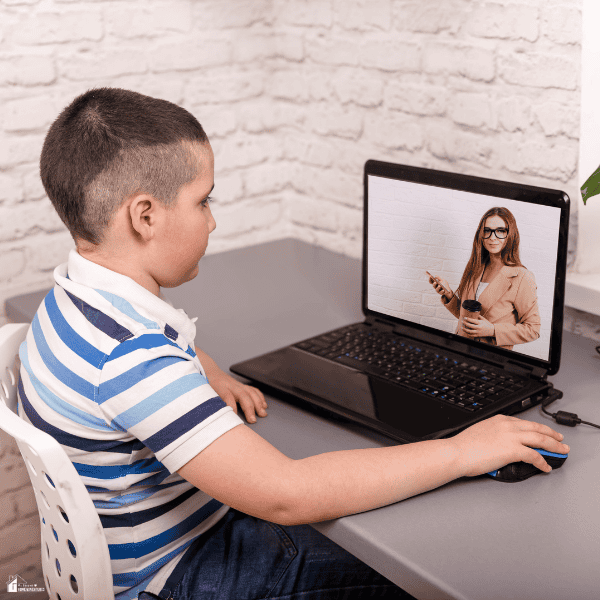
As you connect with peers through webcams, the barriers of distance fade away, transforming your kitchen into a vibrant hub of collaborative learning.
You’re no longer alone in your culinary experiments; instead, you engage in lively peer interaction that sparks creativity and curiosity.
Virtual collaboration allows you to share ideas, troubleshoot challenges, and celebrate successes in real time. You can easily showcase your process, ask questions, and receive instant feedback, making learning dynamic and enjoyable.
With everyone contributing their unique perspectives, you’ll discover new techniques and insights, enhancing the overall experience.
The freedom to explore together, even from separate kitchens, cultivates a sense of community that enriches your understanding of kitchen chemistry.
Embrace this innovative approach to learning!
Exciting Kitchen Chemistry Experiments for Kids
Get ready to spark some excitement in your kitchen with fun experiments that turn everyday ingredients into science wonders!
You can create simple chemical reactions, whip up tasty edible projects, and tackle measurement challenges that make learning hands-on and interactive.
Grab your webcam and let the kitchen become your lab as you explore the magic of chemistry together!
Simple Chemical Reactions
When you plunge into the world of kitchen chemistry, you'll discover that simple ingredients can lead to explosive fun right at home.
Imagine mixing baking soda and vinegar for an acid-base reaction that creates a fizzy volcano! It’s a perfect way to see science in action.
Or try combining lemon juice with a metal like iron—this oxidation reaction results in a fascinating color change and demonstrates how rust forms.
These experiments aren’t just entertaining; they ignite curiosity and spark creativity. You can explore the science behind everyday ingredients while having a blast with friends or family.
Edible Science Projects
Kitchen chemistry isn’t just about watching reactions; it can also be delicious! Immerse yourself in edible experiments that combine fun and flavor.
Try making homemade ice cream using just milk, sugar, and salt—it's a tasty reaction you can shake up in a bag! Or, explore the magic of baking soda and vinegar to create colorful cupcakes that fizz and pop.
You can even craft edible slime with cornstarch and water for a hands-on, gooey experience.
These projects spark curiosity while satisfying your taste buds, making science exciting and accessible. Gather your ingredients, release your creativity, and watch as your kitchen transforms into a lab full of tasty reactions.
Get ready to enjoy science you can eat!
Fun Measurement Challenges
While exploring the world of kitchen chemistry, you can turn everyday cooking tasks into exciting measurement challenges that make learning fun!
Grab your measuring cups, spoons, and a scale, and plunge into kitchen exploration. Try experimenting with different amounts of ingredients in a recipe—how does it change the taste or texture?
Challenge yourself to measure liquids precisely and see how close you can get to a specific volume. Create a “measurement scavenger hunt” where you find items that weigh the same as a cup of flour or a tablespoon of sugar.
These activities not only spark curiosity but also encourage teamwork and creativity. Embrace measurement fun, and watch your kitchen transform into a lively lab!
Gathering Your Kitchen Chemistry Tools
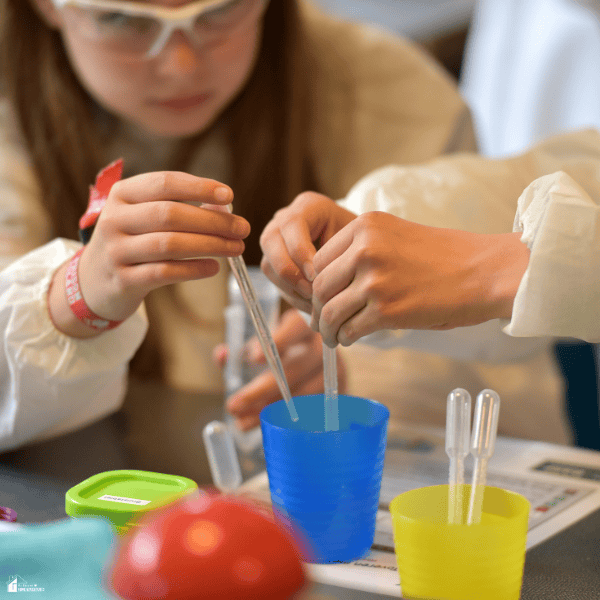
Before diving into your kitchen chemistry experiments, it’s essential to gather the right tools that’ll make your scientific journey enjoyable and effective.
Start by rounding up basic kitchen tools like measuring cups, spoons, and mixing bowls. These everyday items will help you accurately measure ingredients and mix solutions.
Don’t forget to include safety equipment; a pair of goggles and gloves can protect you from unexpected spills or reactions. A sturdy apron will keep your clothes safe, too!
Finally, grab some paper towels and a small trash bin for easy clean-up. With these essentials at your fingertips, you’ll be ready to explore the fascinating world of kitchen chemistry while ensuring a safe and fun experience for everyone involved.
Engaging Students During Virtual Experiments
Once you've gathered your kitchen chemistry tools, it’s time to bring the excitement of virtual experiments to life! Start by inviting your students to connect through webcams, creating a vibrant atmosphere for virtual engagement.
Encourage them to share their thoughts and predictions as you plunge into interactive learning together, an approach that can make science more engaging for students in an online middle school. Use real-time polls or quizzes to keep everyone involved; this sparks curiosity and enthusiasm.
You can also assign roles, like ‘chemist' or ‘assistant,' fostering teamwork and collaboration. Encourage open discussions about what they observe, making them feel like true scientists.
Safety Tips for Kitchen Chemistry Experiments
As you gear up for your kitchen chemistry adventures, it’s essential to prioritize safety to guarantee a fun and secure environment for everyone involved.
Here are some key safety tips to keep in mind:
- Use protective gear: Always wear gloves and goggles to shield yourself from spills and splashes.
- Ensure proper ventilation: Open windows or use fans to prevent inhaling any fumes from your experiments.
- Have emergency contacts handy: Keep a list of important numbers, including poison control, nearby hospitals, and trusted adults.
Conclusion
In the world of remote learning, you can spark curiosity through hands-on experiments, you can foster collaboration with webcams, and you can make science exciting right from your kitchen.
By embracing kitchen chemistry, you’re not just teaching kids about science; you’re inspiring them to explore, experiment, and engage.
So, gather your supplies, connect with your students, and watch as they discover the magic of chemistry, proving that learning can be fun, safe, and collaborative—no matter the distance!