Easy Water-Saving Yard Tips for Homeowners
This post may contain affiliate links which might earn us money. Please read my Disclosure and Privacy policies here
If you’ve ever looked outside after running the sprinkler and thought, “Well, the driveway seems very hydrated,” you’re not alone. A lot of homeowners want a green yard without wasting water or money. The good news is you don't need to be a landscaping wizard to make smarter choices.
A few simple changes can help you water better, spot problems sooner, and keep your lawn and garden looking good through shifting weather across the seasons
Smarter Watering Starts
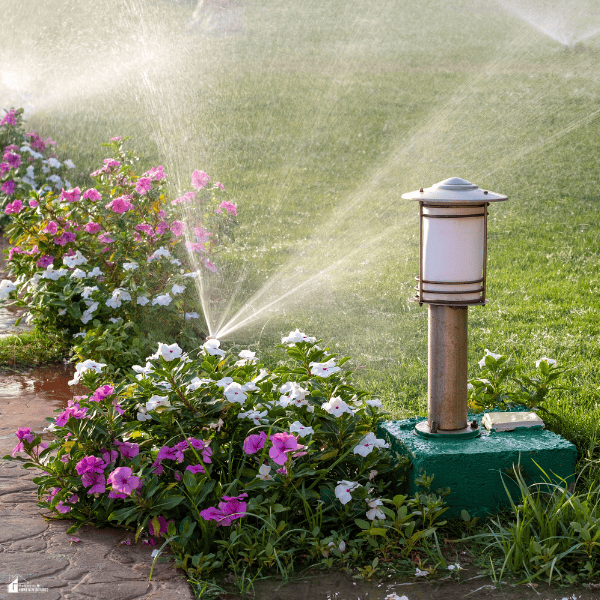
A healthy yard usually begins with one simple habit: paying attention to where your water is actually going. Many homeowners water on a schedule and hope for the best. That works sometimes, but it can also lead to soggy grass, dry patches, and a water bill that makes your eyebrows jump.
If you're looking for a more practical way to manage outdoor watering, smart irrigation water monitoring can help you keep track of water use and spot potential issues before they turn into costly surprises. That's especially useful in communities where summer watering needs can change quickly from one week to the next.
Think of it this way. Your yard doesn’t need more water just because the timer says so. It needs the right amount at the right time. When you can see what’s happening, you’re less likely to water blindly. Your plants stay happier, and your hose doesn’t become a money cannon.
Know Your Yard
Before you change your watering routine, take a good look at your yard. Not every patch of grass or garden bed needs the same amount of water. A sunny front lawn in Phoenix won't behave like a shaded backyard in Boston. Even two spots a few feet apart can dry out at different speeds.
Start with the basics:
- Sunny areas dry faster
- Clay soil holds water longer
- Sandy soil drains quickly
- Sloped ground causes runoff
- Windy spots lose moisture faster
You also want to notice what you’re growing. Grass, flower beds, shrubs, and vegetable gardens all have different needs. A thirsty tomato plant is not the same as a hardy shrub that’s just minding its own business.
Walk your yard after watering. If one area turns muddy while another still feels dry, that’s a clue. Learning your yard is a bit like learning the personalities in a big family. Some parts are dramatic. Some are easy. The better you know them, the easier it is to keep everything balanced.
Follow Seasonal Changes
Watering the same way from May to September is usually a mistake. Spring can be cool and damp, while midsummer can bring dry heat, strong sun, and long stretches without rain. Then, early fall often cools things down again. Your yard notices these shifts, even if you’re too busy making lunches and chasing socks.
In spring, the soil often holds more moisture from melting snow and regular rain. That usually means less watering is needed. By July, things can change fast. Heat waves can dry the top layer of soil in no time, especially in full sun.
A simple seasonal mindset helps:
- Spring needs lighter watering
- Summer often needs closer monitoring
- Rainy weeks call for fewer cycles
- Early fall may still need occasional deep watering
Regional weather matters too. Homes in Seattle may deal with a different watering rhythm than homes in Dallas or Miami. Instead of sticking to a rigid schedule, check the weather and your soil. Your yard doesn’t own a calendar. It responds to conditions, not good intentions.
Fix Waste Fast
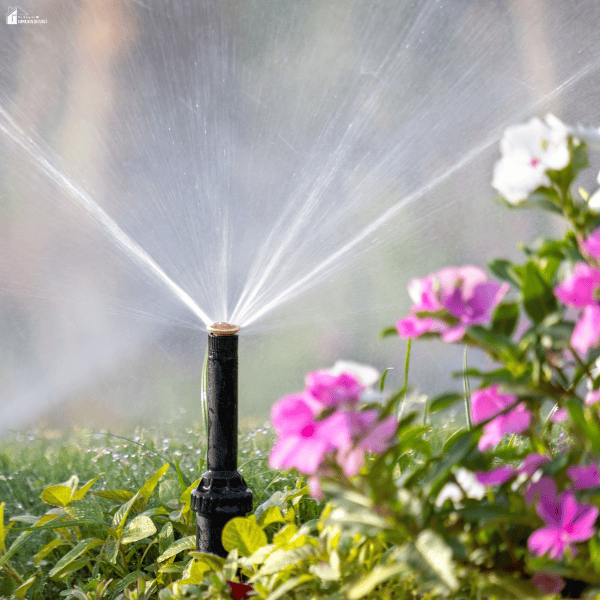
Outdoor water waste is sneaky. You may not notice it right away because a sprinkler system can still appear to be working fine while quietly wasting gallons. One sprinkler head points at the sidewalk. A hose connection leaks. Water runs down a slope instead of soaking in. Little problems add up quickly.
A few things to watch for include:
- Puddles that stick around
- Spray hitting pavement or fences
- Weak or uneven sprinkler pressure
- Brown patches beside soggy spots
- Water running off before soaking in
These issues often have simple fixes. A clogged sprinkler head may just need cleaning. A tilted sprinkler can often be adjusted in a few minutes. If runoff happens, try shorter watering cycles so the soil has time to absorb moisture.
You should also check after mowing or yard work. Sprinkler heads can get bumped or damaged pretty easily. Catching these problems early is one of the easiest ways to cut waste. It’s not glamorous, but neither is paying to water your driveway every Tuesday.
Make Mornings Count
If you want one easy habit that makes a real difference, water earlier in the day. Morning is usually the best time because the air is cooler and there’s often less wind. That means more water reaches the roots instead of disappearing into the air or drifting somewhere unhelpful.
Watering in the heat of the afternoon is less efficient. Watering late at night can leave plants damp for too long, which may encourage disease in some gardens. Morning hits the sweet spot.
A few smart routine changes can help:
- Check your yard once a week
- Adjust timers after rain
- Water deeply, not constantly
- Watch for drooping plants or dry soil
- Pause watering during cooler stretches
This doesn’t mean you need to become the neighborhood water detective. It just means paying a little attention. Even five minutes of checking can save you from bigger issues later.
Busy households do best with simple systems and repeatable habits. If your mornings already feel wild, set one small reminder to review your watering setup each weekend. Small effort, solid payoff.
Keep Costs Under Control
A nice-looking yard doesn’t have to drain your wallet. Most of the savings come from doing ordinary things a bit more carefully. You don’t need fancy landscaping or a total backyard makeover. You just need fewer wasteful habits and better timing.
Start with the easiest wins. Water only when your yard needs it. Fix leaks quickly. Make sure sprinkler heads are aimed properly. Pay attention to weather changes instead of treating every week the same.
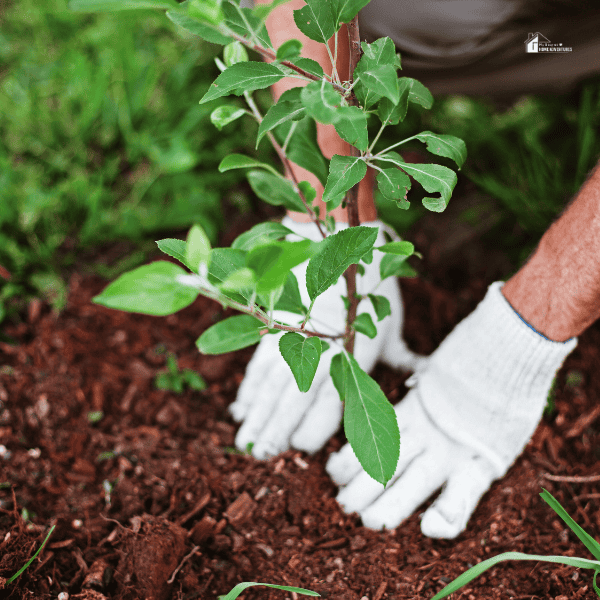
You can also reduce pressure on your watering routine by making your yard easier to manage. Mulch helps garden beds hold moisture longer. Drought-tolerant plants can lower water needs. Even keeping grass a little taller can help shade the soil and reduce drying.
If your goal is a perfect golf-course lawn, your water bill may have other plans. But if your goal is a healthy, attractive yard that works for real family life, that’s much more doable. Smarter watering helps you save money, waste less, and keep your outdoor space looking good without turning yard care into a full-time summer sport.