Why the Quality of Pasta Tells You Everything About an Italian Restaurant
This post may contain affiliate links which might earn us money. Please read my Disclosure and Privacy policies here
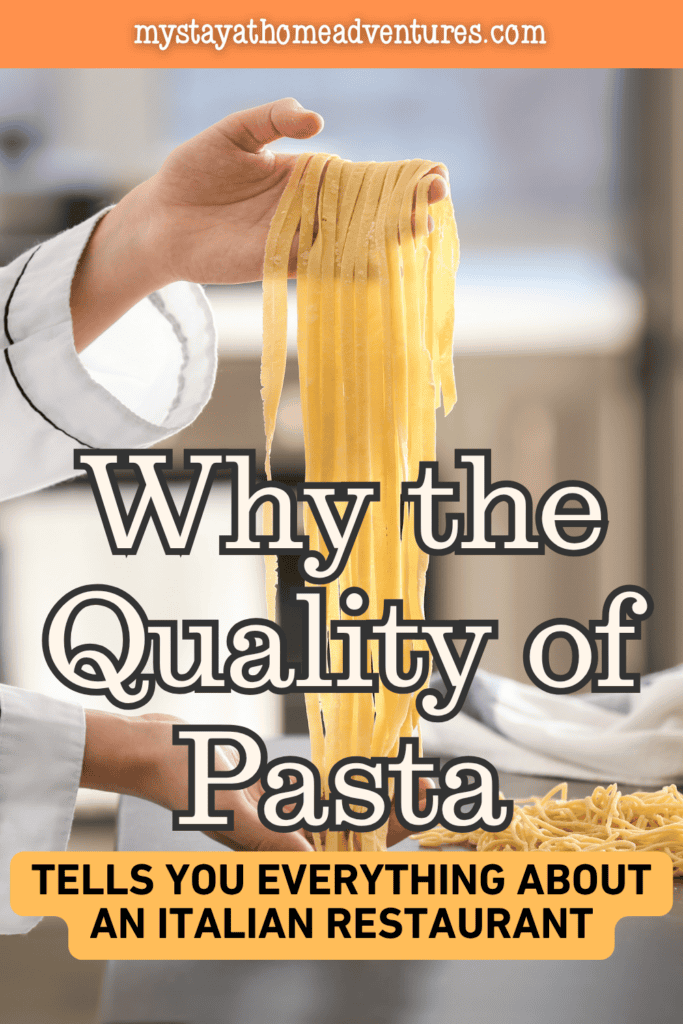
Pasta gives the clearest reading of an Italian kitchen. Bread may arrive from a bakery, wine can soften weak cooking, and polished rooms often distract from the plate. Dough offers no such cover. Its grain, elasticity, and finish show whether cooks respect time, temperature, and seasoning.
One bowl can reveal far more than a menu description because it exposes technical control, ingredient judgment, and the standards that guide every station.
A Fast Signal
Many diners judge Italian cooking by the first forkful of pasta. Lists covering the best Italian restaurants in Portland scene often focus there, because a bowl shows errors quickly. Loose sauce, dull seasoning, or swollen noodles indicate poor attention.
By contrast, clean texture and proper finish suggest a kitchen with steady hands, sound habits, and a clear sense of proportion.
Dough Shows Skill
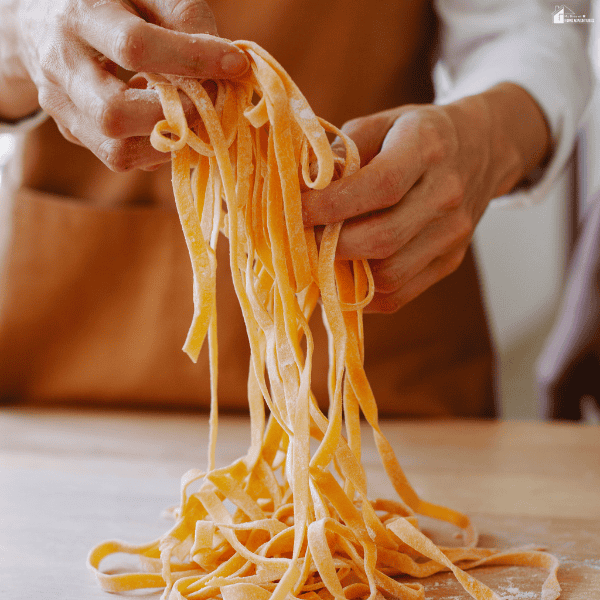
Dough reveals technique before the sauce enters the pan. Fresh pasta needs correct hydration, enough kneading, and a long enough resting period for the gluten to relax. Dried shapes require judgment too, since brand, thickness, and boiling time still affect the bite.
Either route works in capable hands. Trouble begins when noodles are treated as filler, rather than the structural base of the meal.
Texture Never Lies
Texture remains the most reliable measure. Properly cooked pasta offers a gentle core resistance, while the surface stays smooth and flexible. That balance disappears quickly when the pot cooks the pasta too long. Limp strands feel waterlogged.
Sticky tubes suggest careless handling after draining. A lively bite tells guests that someone at the stove is closely tracking seconds, even during a packed service.
Sauce Must Belong
Sauce matters, yet the deeper test is how well it wraps around the pasta. Good pasta carries a coating that clings to ridges, folds, or strands without drowning them. Starch from the pot should help bind fat and liquid into a unified finish.
If glossy pools collect below the noodles, timing likely slipped. When the whole plate tastes joined, the kitchen shows patience, training, and restraint.
Shape Has Purpose
Shape is never decoration in serious Italian cooking. Rigatoni holds chunky ragù inside its tubes. Long ribbons suit butter-based finishes and silky emulsions. Small forms trap peas, herbs, and grated cheese in each bite.
Thoughtful kitchens match geometry to weight, viscosity, and surface area. Less careful places reach for whatever is available, a choice that often signals weaker judgment across the menu.
Fillings Raise the Stakes
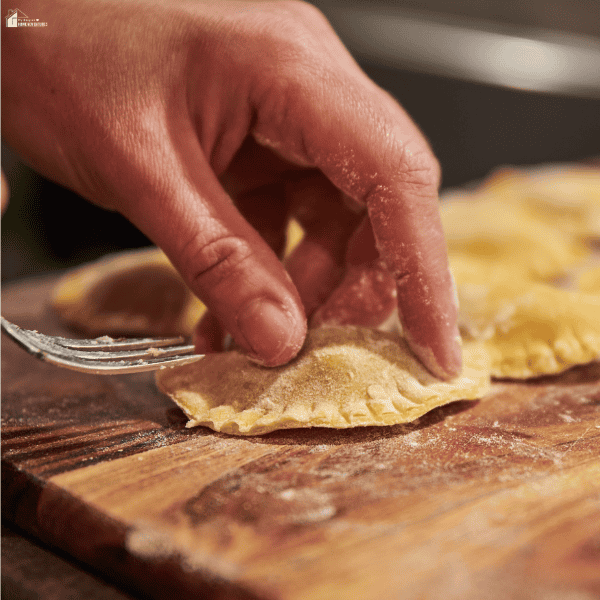
Stuffed pasta raises the technical bar. Ravioli, tortelli, and agnolotti require thin sheets, even sealing, and fillings that stay distinct after boiling. Thick wrappers mute flavor and tire the palate. Weak seams leak into the water.
Flat centers waste the effort entirely. A successful piece feels delicate yet complete, showing that several precise steps came together correctly within a narrow margin.
Timing Reflects the Line
Pasta also reveals how the line functions under pressure. Noodles cannot wait while the meat rests or the sauce reduces too far. Delay changes texture minute by minute. Strong restaurants coordinate each station so the plate reaches the table at its peak.
That rhythm usually carries throughout the menu, shaping fish cookery, roasted vegetables, risotto consistency, and the pacing that keeps dinner feeling composed.
Ingredients Stay Exposed
Italian food leaves very little cover for mediocre ingredients. Tomatoes must taste bright and ripe, rather than flat or metallic. Cheese should bring depth, salinity, and aroma, not just bulk. Olive oil needs to be fresh, with peppery or fruity notes depending on use.
Because many pasta dishes stay simple, each component remains visible. Diners can judge sourcing and seasoning with unusual clarity.
Reputation Follows Craft
In Italian cooking, a great reputation is built on getting the details right every time. Critics may praise creativity, yet regular guests return for bowls that arrive with food with the same texture and balance every time. That consistency is hard to fake.
It depends on purchasing discipline, station training, and cooks who correct small errors before they reach the dining room. Reliable craft tends to earn stronger loyalty than novelty.
Conclusion
Pasta works as a restaurant’s clearest statement of intent. It tests dough handling, ingredient quality, sauce control, and timing in a single, focused dish. Stylish interiors may impress at first glance, but the bowl gives the truer account.
When the shape fits the finish and the texture stays alive, the kitchen’s standards become visible. For diners seeking excellent Italian cooking, pasta remains the smartest first order.