Household Secrets: Keeping Your Home Dry This Rain Season
This post may contain affiliate links which might earn us money. Please read my Disclosure and Privacy policies here
Rainy seasons bring a refreshing change to the air and a much-needed drink for the garden. Your home serves as the primary shield against these heavy downpours.
Maintaining a dry interior starts with understanding how water interacts with the exterior of the building. Small gaps or minor clogs can lead to significant interior damage if left unaddressed.
Looking for signs of wear can prevent expensive repairs later. A proactive approach keeps the living space comfortable and the structure strong.
Clear Your Paths For Water Flow
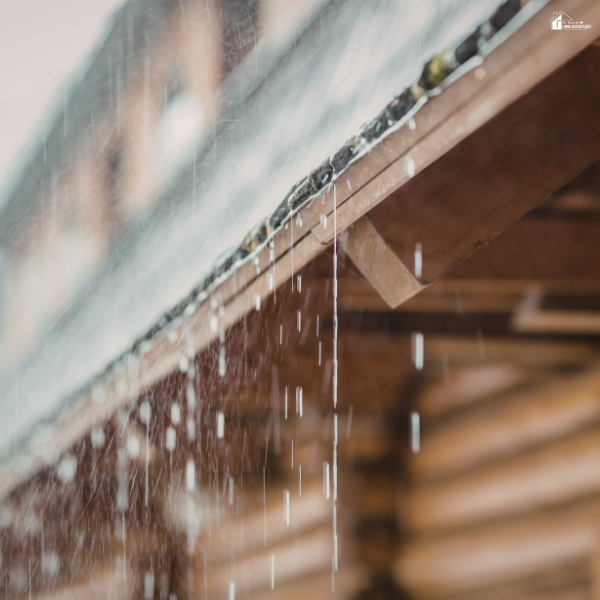
Gutters collect thousands of gallons of water during a typical storm. If these channels get blocked by leaves or twigs, the liquid has nowhere to go.
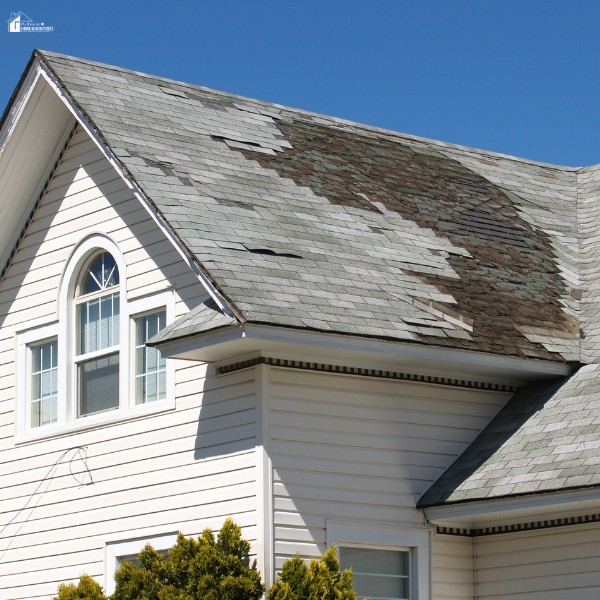
A recent blog about roof care noted that overflowing gutters allow water to back up under shingles or seep into siding. This spillover often damages fascia boards and ruins the look of your walls.
Regular cleaning keeps the system running as it should. Use a sturdy ladder and a pair of gloves to clear out debris every spring and fall. Check that the downspouts point away from the base of your home. Clear paths allow the rain to move safely from the roof to the ground.
Maintaining The Perimeter Of The House
The soil around your foundation needs to slope away from the structure. When TC Backer Construction or similar companies evaluate a site, they often look at how water pools near the walls. Proper grading prevents basement flooding and keeps the lower levels dry. You can add extra dirt to low spots to create a gentle decline.
Splash blocks placed under downspouts help direct the flow even further. These simple tools prevent the rain from digging holes in your mulch or grass. Heavy storms can move a lot of dirt in a short amount of time. Keeping the perimeter clear protects the integrity of your concrete.
Creating A Routine Schedule
Consistency remains the secret to a dry home. One insurance guide suggests keeping a monthly and seasonal to-do list to stay on top of home care. Following a plan reduces the risk of sudden problems during a storm. It helps you catch small issues before they become big headaches.
Check your sump pump at least once a month if you have a basement. Pour a bucket of water into the pit to see if the motor kicks on. Listen for strange noises or slow drainage during the test. A working pump is your last line of defense against rising groundwater.

Checking The Attic Space
The attic often shows the first signs of a roof leak. Grab a flashlight and head upstairs during a heavy rainstorm to look for damp spots.
A roofing repair specialist mentions that seeing daylight through the loft roof usually means there is a gap in the structure. Draughts can also signal that the roofing material has shifted.
Look for water stains on the wood beams or insulation. These marks might look like dark circles or discolored patches. Catching a leak in the attic saves your ceiling from collapsing. It also prevents mold from growing in the dark corners of your home.
Protecting The Siding And Walls
Siding acts as the skin of your house. Cracks in vinyl or gaps in wood panels invite moisture to sit against the frame. Inspect the seams where the siding meets the windows and doors. Fresh caulk can seal these small openings and keep the wind from driving rain inside.
Paint also serves as a protective layer for wood surfaces. Bubbling or peeling paint suggests that moisture is already trapped underneath. Scraping and repainting these areas prevents the wood from rotting. A solid coat of paint keeps the exterior looking fresh and dry.
Shielding The Foundation From Moisture
Concrete foundations can soak up water like a sponge. Tiny hairline cracks might seem harmless, but they grow larger during freeze and thaw cycles. Fill these cracks with a waterproof masonry sealer to block out the dampness. Keeping the ground dry near the foundation reduces the pressure on the walls.
- Check for white powder on the basement walls.
- Seal cracks with epoxy or masonry caulk.
- Verify that window wells have covers.
- Inspect the floor for damp spots after rain.
Hydrostatic pressure pushes water through the smallest pores in the concrete. Sealing the interior walls of a basement adds an extra layer of protection. It creates a barrier that keeps the air in the lower levels from feeling heavy. A dry basement provides a safer space for storage and living.
Taking the time to walk your property reveals many secrets about its health. Watch where the water flows the next time a storm hits. Fix the small issues as soon as you see them. A little bit of work now ensures your home stays dry for years to come.
Enjoy the sound of the rain, knowing your house is ready for the weather.