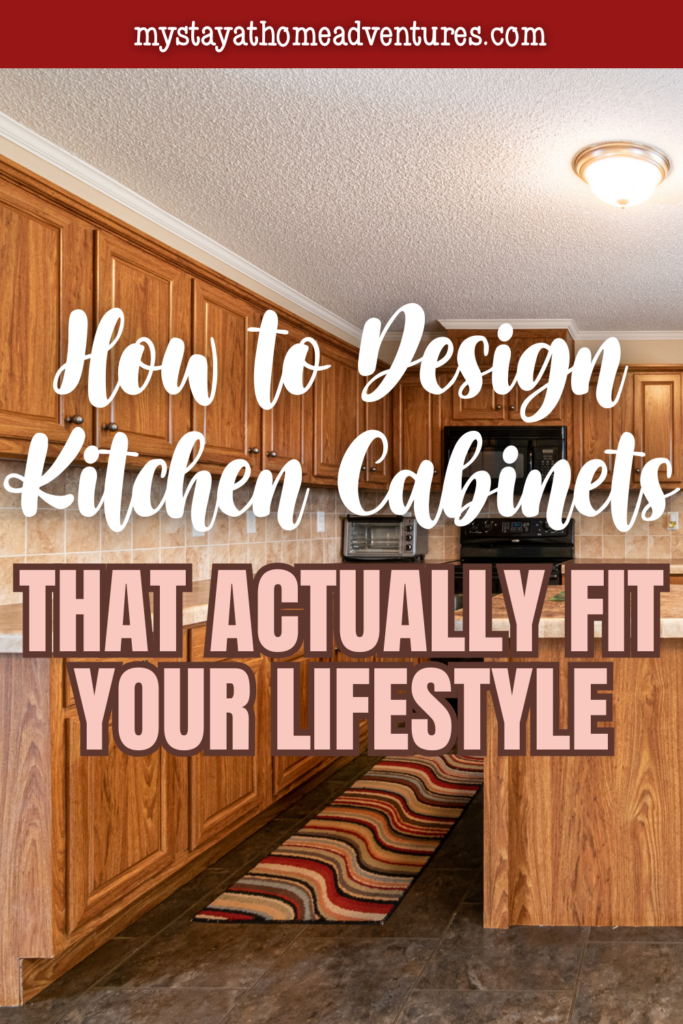
How to Design Kitchen Cabinets That Actually Fit Your Lifestyle
This post may contain affiliate links which might earn us money. Please read my Disclosure and Privacy policies here
Picture your kitchen, whether new or reshaped, and one key choice stands out: the cabinet layout. Storage inside them matters, sure, yet so does how everything flows around daily use. The room's look ties back to these wall boxes, but function comes first.
What works today might clash tomorrow if life changes slightly. Whether you're cooking or just spending time together, the layout of your kitchen cabinets can quietly shape daily life. Start by thinking about what actually works for how you live now. Instead of copying trends, build a plan around your real habits and rhythms.
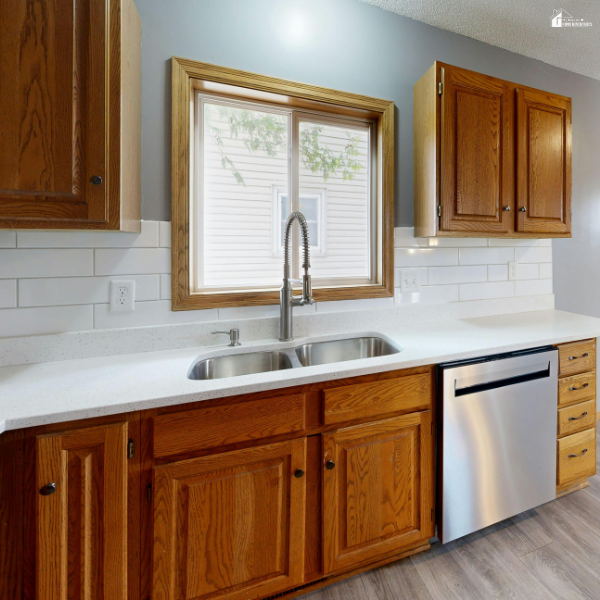
Assess Your Storage Needs
Start by figuring out how much stuff you really need in your kitchen. Picture yourself moving around the space. What tools do you grab most? Is that blender tucked behind the counter more than once? The toaster lives in a tricky corner that's hard to reach.
Consider where things actually go, not just what fits. Small gadgets like stand mixers or toaster ovens might pile up faster than expected. Or, simpler works better: use fewer small kitchen tools on counters.
When cooking matters to you, quick access to tools helps, and deep drawers keep everything out yet stay organized. Pots that fill counters? Sliding shelves or wide cabinet ends might work better than stacked shelves.
Buying staples by the box? Then high pantries with pull-out drawers or smart built-in holders keep things clear and hands-ready.
Understand Your Cooking Habits
How you handle food preparation also shapes cabinet choices. For someone regularly whipping up complex dishes, extra workspace near counters matters, as does reaching tools without hassle. Features such as sliding shelves for spices, built-in boards, or separate slots for forks and knives keep things running smoothly.
These details help keep what matters within reach. When cooking at home, serious cooks often appreciate built-in trays or sliding drawers that keep knives and spatulas within reach. These spots keep workflows running smoothly throughout recipe steps.
When it comes to fast cooking, space might not demand much wall storage. Think about shelves holding only what you reach every day: pots, small tools, and basic kitchen gear.
Consider Your Family’s Needs
A place where meals happen tends to see the most activity, so note how your group moves around in there. When little ones are part of the mix, shorter units or reachable hooks keep things accessible without stretching.
When there are extra people at table time, reaching higher or spreading storage across broader boxes handles bigger collections. Sometimes it helps to see things aligned. Custom divider panels make it easier to sort clutter into categories than with stacked piles.
Family life is important, so foldable inserts keep toiletries or school supplies neatly in drawers or backpacks.
When kids are around, things like gently shutting doors or locks that block small hands matter just as much. These bits help keep a kitchen safe without wearing out your cupboards fast.
Embrace Customization
Today’s cabinets come in many shapes and sizes, tailored to your exact specifications. Shelving that adjusts or includes features such as recycling slots extends the room while keeping items organized.
Sliding tools, such as turnable corners or folding partitions, transform how meals are prepared and stored. When homeowners search for “ kitchen cabinet builders near me “, they often seek smart, space-saving solutions that elevate both form and function.
These details turn cooking areas into efficient workspaces rather than cluttered zones. Shaping cabinet features around how you live makes the kitchen truly fit who you are.
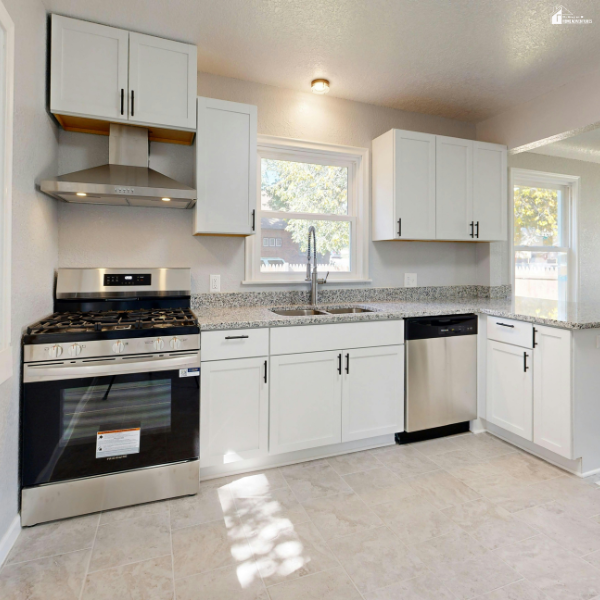
Match Your Aesthetic to Your Practical Needs
Even if it works well, how your kitchen cabinets look matters just as much. They stand out more than anything else in the room, so they need to fit what your house already says. Pick what's on the outside, like wood, color, or knobs, based on where you want things to go.
A fresh take on today’s simple layouts could bring flat-panel cabinets, clean lines, and no handles. Warmth enters through shaker-style builds, made from real wood, giving older homes a quiet boost.
Matte black or bright white gloss draws attention when paired with modern knobs or taps, creating a sharp, modern look. What holds things together in the kitchen isn’t just about looks – it’s also where meals come alive.
Plan Your Workflow
Put thought into where things sit along your kitchen walls. Movement matters more than just storage when planning. Imagine stepping from the stove to the sink without crossing paths. That flow results from positioning cabinets near frequently used areas.
Instead of reaching across the room, reach for the one nearby. Pots within reach mean fewer pauses mid-task. Even small shifts change how work unfolds. The sink, stove, fridge, call it a triangle, call it rhythm, it runs smoother with mindful placement.
Just like that, shelves near the sink hold cleaning supplies and a pop-out bin for trash or recycling, reducing mess. When cupboards fit how you actually move through your day, the whole room feels easier to live in.
Consider Durability and Long-Term Value
Durability matters as much as upfront cost. Even though cheaper options may seem more appealing at first, lasting performance often comes from better materials, such as real wood or heavy-duty finishes, that resist wear even with frequent use. Built strong, these cabinets last longer, reducing future repair or replacement costs.
What happens next year might already shape your kitchen. As life unfolds, so might what you need in there. Shelves that shift or inserts made just for now allow space to grow alongside you.
If more mouths appear at dinner or roasting gives way to quick stir-fries, rooms built to bend keep up without fuss. Function follows change when walls move quietly behind it.
Plan for Easy Maintenance
Finally, when designing your kitchen cabinets, choose materials and finishes that are easy to clean and maintain. Smooth, laminated surfaces or cabinets with protective coatings will make it easier to wipe down surfaces and avoid stains.
Soft-close hinges prevent slamming doors and extend the life of your cabinets, while simple hardware, such as easy-to-clean knobs and handles, makes kitchen upkeep much easier.
Conclusion
Designing kitchen cabinets that fit your lifestyle requires careful thought and planning. Your cabinets should reflect your unique needs, whether you’re an avid cook, a busy parent, or someone who entertains frequently.
By assessing your storage requirements, understanding your cooking habits, and choosing materials that complement your style, you can create a kitchen that’s both beautiful and functional.
Customizing your cabinets, prioritizing long-term durability, and incorporating easy-to-maintain features will ensure your kitchen serves you well for years to come. With thoughtful design, your kitchen cabinets can transform from simple storage spaces into a key component of a functional and stylish kitchen.