An International Baccalaureate Guide for Parents New to the IB System
This post may contain affiliate links which might earn us money. Please read my Disclosure and Privacy policies here
Choosing the right educational pathway for your child can feel overwhelming, particularly when the options extend beyond familiar national curricula. That uncertainty often surfaces when parents encounter the International Baccalaureate for the first time.
It is, after all, a framework that approaches learning in ways that may differ from their own school experience.
More than just a change in the school calendar, transitioning to the IB system marks the beginning of a journey that requires the adoption of a new set of expectations.
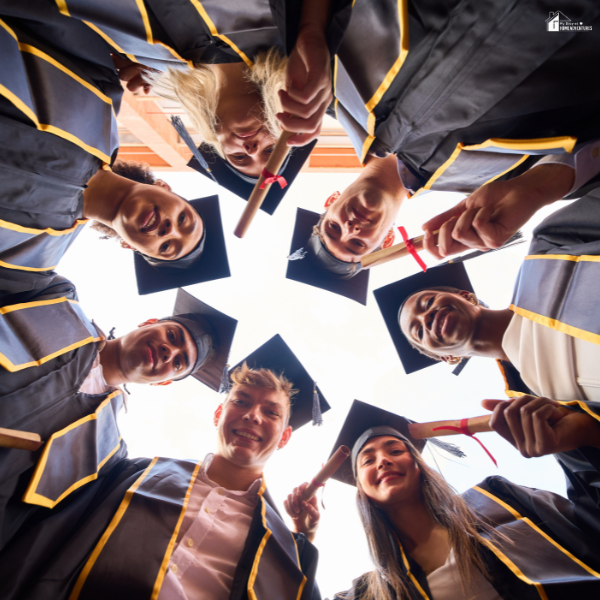
It calls on parents and learners to view education through a broader lens, one that values not only academic achievement but also personal growth and global awareness.
If you’re exploring whether this approach is the right fit, this International Baccalaureate guide breaks down the essentials. From IB structure and philosophy to benefits, this article aims to help you assess the program’s alignment with your child’s needs and your family’s educational priorities.
Understanding the IB Continuum of Programs
When you first hear about the International Baccalaureate, it’s easy to assume it refers to a single course of study. In reality, the IB consists of a continuum of four distinct programs designed for students from early childhood through the end of secondary school.
Each stage builds on the last to create a pathway that emphasizes inquiry alongside student independence.
- Primary Years Program (PYP): Aimed at children aged 3 to 12, the PYP focuses on the development of the whole child. It empowers students to take ownership of their learning by asking questions and exploring themes that cross different subjects.
- Middle Years Program (MYP): This five-year program for students aged 11 to 16 provides a framework of academic challenge. It encourages students to make practical connections between classroom lessons and real-world contexts to strengthen their critical thinking.
- Diploma Program (DP): For students aged 16 to 19, the DP is a rigorous and balanced two-year curriculum. It’s highly respected by leading universities worldwide for its depth and its requirement for independent research.
- Career-Related Program (CP): This is a unique framework that blends academic study with practical skills, supporting students who want to pursue professional pathways while maintaining a global perspective.
Recognizing the IB as a progression helps you understand why expectations change over time. Each stage is designed to meet students where they are developmentally while steadily preparing them for greater levels of independence later on.
How the IB Differs from Other Curricula
Have you ever wondered why some students seem more engaged when they’re encouraged to ask questions rather than memorize answers? That difference lies at the heart of the IB system.
Unlike many national or local curricula that emphasize subject mastery and standardized testing, the IB places inquiry and reflection at the center of its framework. This approach encourages students to think actively instead of absorbing information passively.
For instance, while a traditional history class might ask a student to memorize the date of a specific battle, an IB classroom asks students to explore the concept of “conflict” or “causation.”
This allows learners to apply their understanding across different time periods and geographical locations. That means the curriculum remains relevant regardless of where in the world a student is studying.
Another defining feature is the emphasis on connections. Teachers avoid treating subjects as isolated silos and instead guide students to see how ideas intersect across disciplines. Students might examine ethical issues within a science topic or apply data analysis and research skills to a humanities project.
In the later years, components like the extended essay and Theory of Knowledge formalize this process by requiring students to reflect on how they produce and evaluate knowledge.
Language learning and global perspectives are also woven throughout the experience. Exposure to multiple languages and cultures helps students develop awareness beyond their immediate environment, an aspect that shapes how they interpret information and engage with others.
Over time, these elements combine to create a learning journey that prioritizes deep understanding over simple memorization.

Benefits for Students Beyond Academics
Academic achievement matters, but as a parent, it’s rarely the only outcome you hope for in your child’s education. One reason the IB draws attention is its emphasis on integrating personal development into everyday learning, encouraging growth that supports students well beyond individual subjects.
As your child progresses through the program, teachers regularly reinforce qualities such as reflection, integrity, and openness through classroom experiences. For example, group projects foster collaboration and communication, while independent research builds resilience and confidence.
A focus on balance and well-being also helps shape how students manage both academic demands and personal responsibilities.
Whether it’s adapting to new environments, engaging with diverse perspectives, or managing responsibilities independently, the skills gained through the IB system carry into higher education and professional life.
What Parents Should Know When Supporting Their Child
Supporting a child in the IB system looks different from managing a more traditional, exam-driven curriculum. Rather than directing every step, your role often involves encouraging a sense of curiosity while helping with basic organization.
Even small gestures, such as showing interest in their projects, signal that you value the process of learning as much as the final result.
As independent research and long-term projects become more common, providing a structured environment can help ease the pressure without diminishing ambition.
And because the IB framework prepares students for a global context, consider discussing world events at home or exposing them to varied cultural experiences.
The conversations not only help strengthen the connections your child makes in school but also enable them to see their education as one part of a much larger personal journey.
Ultimately, choosing the right curriculum should be less about academics and more about how it shapes the kind of learner and individual your child becomes.
While the transition to the International Baccalaureate requires patience as your family adapts to new methods, the reward is a student who possesses both academic depth and genuine empathy.
Consider attending a parent workshop at your chosen school to engage with educators and see how the framework aligns with your family’s values and long-term goals.