How Integrated HVAC Engineering Design Benefits New Projects
This post may contain affiliate links which might earn us money. Please read my Disclosure and Privacy policies here
New construction gives owners a rare chance to shape comfort, energy demand, ventilation, and service access before concrete sets or ceilings close. Integrated HVAC engineering design brings load analysis, equipment choices, controls, and field input into early planning.
That timing helps prevent oversized units, weak airflow, hidden maintenance points, and late budget shocks. For developers and facility leaders, coordinated mechanical planning protects both occupancy goals and long-term operating health.
Early Planning
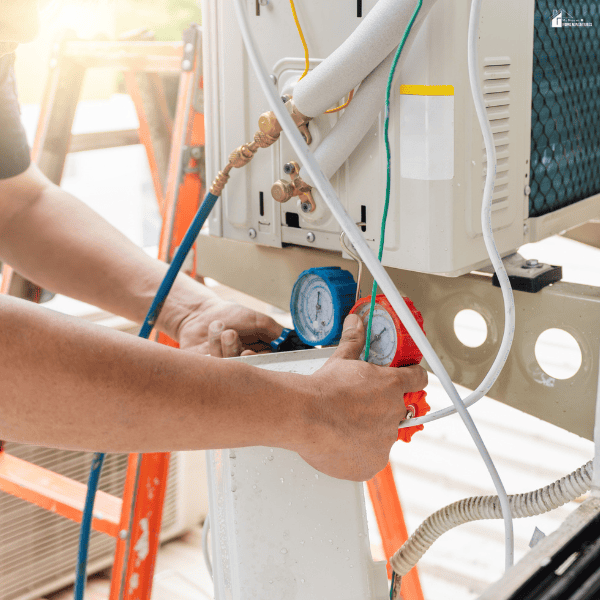
Before drawings mature, mechanical choices must reflect occupancy, envelope quality, process heat, ventilation rates, and service clearances. Reviewing Unitemp HVAC engineering design shows how engineering, fabrication, installation, and controls can be planned as one workflow.
That matters because each new project needs reliable load data, duct routing, equipment access, and commissioning intent before purchasing begins.
Better Cost Control
Cost control improves when engineering decisions are made before pricing is finalized. Engineers can compare unit capacity, duct size, piping paths, filtration needs, and control sequences while options remain open. Early review reduces change-order risk and prevents rushed substitutions.
Owners also see the difference between purchase price, utility demand, repair burden, and replacement timing.
Fewer Gaps in Coordination
Mechanical work crosses structural framing, electrical rooms, plumbing zones, ceiling grids, shafts, and roof penetrations. When teams coordinate early, each trade builds from shared dimensions and access assumptions.
Clash review can reveal duct conflicts, valve clearance issues, or service panel obstructions before crews mobilize. That reduces field delay and protects schedule reliability in tight commercial or industrial spaces.
Right-Sized Equipment
Oversizing can cause short cycling, poor humidity removal, uneven temperatures, and avoidable electrical demand. Undersizing creates comfort complaints during peak heating or cooling loads.
Integrated engineering uses occupancy schedules, envelope values, ventilation requirements, internal heat gains, and room function to determine the proper capacity. Accurate sizing supports stable operation across offices, laboratories, warehouses, healthcare areas, and production floors.
Stronger Indoor Air Quality
Ventilation planning belongs beside room layout, process needs, and occupancy modeling. Engineers can address filtration, humidity control, pressure balance, exhaust volume, and outdoor air delivery before ductwork is locked in.
This is vital for buildings with sensitive materials, high staffing density, or regulated activities. Better air planning reduces odor complaints, moisture risk, contaminant buildup, and comfort strain.
Efficient Energy Usage
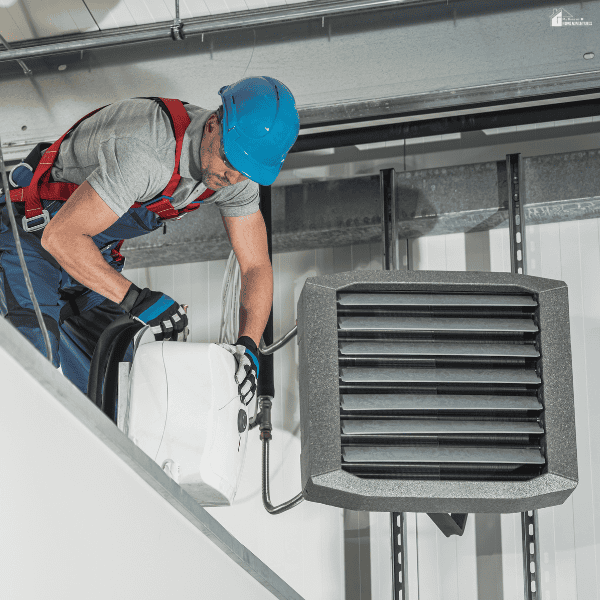
Heating, cooling, and ventilation often drive a large share of building energy demand. Integrated design can reduce consumption through efficient equipment, zoning, heat recovery, and clear operating schedules.
These measures work best when selected together, since controls, capacity, and airflow interact. Coordinated choices usually deliver steadier savings than isolated upgrades.
Controls Integration
Controls perform well when design intent is written early and tested during startup. Engineers can define temperature ranges, humidity limits, alarms, schedules, sensor locations, and trend points before installation.
Clear intent helps operators manage comfort without constant manual correction. Facility teams can spot drifting performance, diagnose waste, and respond before minor faults become expensive service calls.
Service Access
Integrated planning protects working space around filters, coils, valves, dampers, sensors, and control panels. Maintenance clearance should reflect real technician movement, tool use, and replacement needs.
Good access shortens service visits, improves safety, supports warranty duties, and keeps inspections from disrupting occupied areas.
Code Alignment
Commercial buildings must meet energy efficiency requirements, ventilation standards, fire safety requirements, and sector-specific demands. Integrated engineering aligns drawings, equipment selections, controls, and installation methods with those obligations before inspection pressure rises.
Early review reduces failed approvals, redesign costs, and commissioning delays. This discipline matters most in healthcare, food storage, pharmaceuticals, data, and other high-reliability facilities.
Lifecycle Value
A low initial bid can cost more if comfort, maintenance, or energy performance falls short after occupancy. Integrated HVAC design compares first cost with utility use, repair exposure, downtime risk, and future adaptation.
That broader view helps owners select systems suited to the building’s daily purpose. Strong projects support both opening-day needs and year-ten operations.
Conclusion
Integrated HVAC engineering design gives new projects a steadier path from concept through occupancy. It connects cost planning, thermal comfort, ventilation health, code duties, equipment selection, controls, and maintenance access before problems become expensive.
The result is a building that operates with fewer surprises and clearer performance expectations. For owners and project teams, early mechanical coordination becomes a practical investment in reliability, comfort, and operating discipline.