How to Know When Your Garage Door Needs Professional Repair
This post may contain affiliate links which might earn us money. Please read my Disclosure and Privacy policies here
Garage doors are mechanical systems, and mechanical systems develop problems over time. The question most homeowners face isn't whether their door will eventually need attention, it's whether the current issue is something to address now or something that can wait.
Getting that judgment wrong in either direction creates problems: ignoring a developing fault leads to bigger repairs, while calling for service on every minor symptom wastes time and money.
Understanding what different warning signs actually mean and which ones indicate urgent attention makes that judgment more reliable.
The Sounds Your Door Makes Matter
A garage door in good working order operates with a consistent sound profile. Belt-drive openers are near-silent; chain drives have a characteristic hum. Springs and cables under normal tension don't produce notable noise. When the sound profile changes, it's usually telling you something specific.
Grinding or scraping during operation often points to worn rollers or debris in the tracks. Metal-on-metal grinding from the opener area can indicate worn drive gears.
A loud bang sometimes described as sounding like a gunshot is almost always a broken torsion spring, and it's usually accompanied by the door suddenly feeling extremely heavy or refusing to open properly.
Squeaking or squealing typically indicates components that need lubrication rather than replacement.
Rollers, hinges, and the torsion spring should be lubricated with a dedicated garage door lubricant not WD-40, which is a solvent rather than a lubricant and can actually accelerate wear on rubber components every six to twelve months as part of routine garage door maintenance.
Visible Signs Worth Paying Attention To
Some warning signs don't require listening; they're visible during a normal visual check.
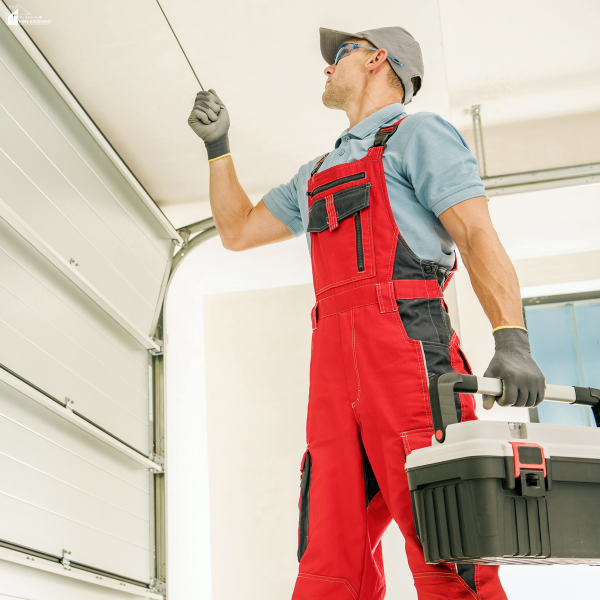
Fraying or kinking in the lift cables is one of the more serious ones. Cables under tension carry significant load, and frayed sections are at risk of snapping without additional warning.
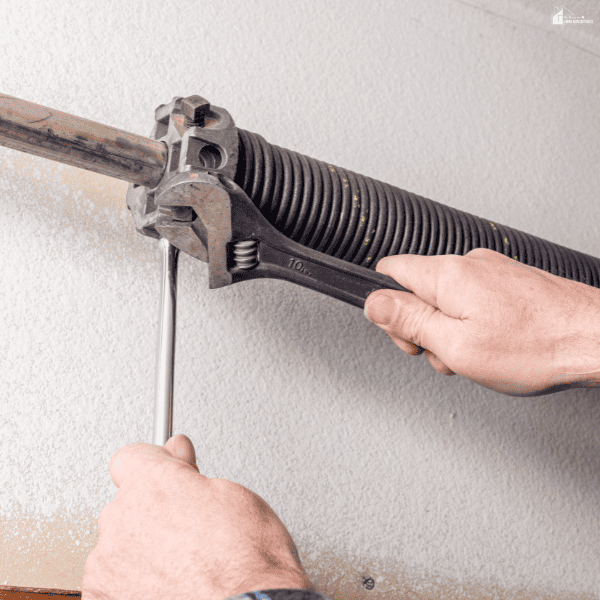
This is not a DIY repair cable replacement involves releasing spring tension, which requires specific tools and technique. Attempting it without experience can cause serious injury.
Gaps or visible damage in weatherstripping allow water, cold air, and pests into the garage.
This is generally a simple and inexpensive repair, but it's commonly overlooked until the damage caused by the gap moisture penetration, energy loss, pest intrusion becomes more expensive than the weatherstripping replacement itself.
Panel dents or cracks affect more than appearance. A structurally compromised panel changes how the door distributes load as it moves, which can accelerate wear on the spring system and track over time.
Minor cosmetic dents are generally not structural; larger deformations that affect how sections align with each other are worth assessing.
When the Door Doesn't Move Correctly
A garage door that moves unevenly jerking during travel, moving noticeably faster on one side than the other, or sitting visibly crooked when closed typically has a balance or alignment issue.
The most common cause is uneven spring tension, which happens when one spring in a two-spring system has weakened or broken while the other remains intact.
Garage door troubleshooting for balance issues starts with a simple test: disconnect the opener and manually lift the door to waist height. A properly balanced door should stay in place when released. If it drops or rises on its own, the spring tension needs adjustment.
Track misalignment produces similar symptoms. If the door binds or hesitates at a consistent point in its travel, check the track for gaps between the rail and the wall, visible bends, or rollers that have jumped the track.
Minor track adjustments can sometimes be done carefully by a homeowner; significant misalignment or bent tracks warrant professional assessment.
Opener Problems vs. Door Problems
One of the easiest ways to troubleshoot a garage door is to determine whether the problem comes from the door itself or the opener. To do this, disconnect the opener and operate the door manually.
If the door moves smoothly by hand but struggles when the opener runs, the opener is likely the source of the problem. Common causes include worn drive gears, a failing motor, or a damaged trolley carriage. However, if the door is difficult to lift manually, the issue usually involves the springs, cables, rollers, or tracks.
Some opener problems should not be ignored. For example, the door may reverse unexpectedly, stop midway through its travel, or respond inconsistently to the remote. Although resetting the system may provide a temporary fix, recurring issues often require professional attention.
In many cases, misaligned photo-eye sensors cause unexpected reversals. Dirty sensor lenses can create similar problems. Fortunately, both issues are usually quick to fix.
However, a motor that frequently overheats and shuts down may indicate excessive mechanical resistance. If left unaddressed, this extra strain can eventually cause the motor to fail completely.
Emergency Repairs and When to Call Immediately
Some situations warrant same-day attention rather than scheduling a convenient appointment. A broken torsion spring makes the door effectively inoperable and puts significant strain on the opener motor if it's used to force the door.
A door that has come off its tracks is a safety risk and shouldn't be operated until it's been properly re-engaged. A snapped cable creates uneven tension that can cause the door to drop suddenly.
For homeowners in the area, having access to reliable garage door repair services that offer responsive scheduling for urgent issues is worth identifying before you need them rather than searching under pressure.
Emergency garage door repair on a door that's stuck open in winter, or a failed mechanism on the only vehicle exit before a morning commute, is a different experience when you already have a trusted contact rather than starting from scratch.
For those planning a new installation or managing recurring service needs, Oakville garage door installation services with established local operations offer the combination of product knowledge, installation quality, and ongoing service availability that makes a long-term relationship with a single provider practical.
Maintenance That Prevents Most Problems
The majority of garage door service calls involve issues that regular maintenance would have caught or prevented.
A biannual inspection helps keep your garage door in good condition. Technicians lubricate moving parts, inspect cables and springs, test the door's balance, check the safety reversal system, and examine the weatherstripping.
The process takes about twenty minutes. It can also identify small issues before they become expensive repairs.
Tighten any loose hardware brackets, roller hinges, track bolts with a socket wrench during the inspection. Vibration from daily operation gradually works fasteners loose, and loose hardware accelerates wear on the components it's supposed to secure.
The door's finish also benefits from attention. Steel doors should be washed annually and inspected for paint chips or rust spots, particularly along the bottom section where moisture contact is greatest.
Touching up small rust spots when they appear prevents the kind of surface corrosion that eventually compromises the panel.
A door that's serviced regularly performs better, lasts longer, and gives more warning when something is genuinely wrong. The signs are there, you just need to look for them before they become urgent.