What NOT to Use When Cleaning Your Natural Stone Floors
This post may contain affiliate links which might earn us money. Please read my Disclosure and Privacy policies here
From the moment you step on it, natural stone flooring adds an earthy charm and elegance that never goes out of style.
Whether you choose Marble or Bluestone for a traditional grid-style flooring, or Travertine or Limestone as your crazy paving tiles for a modern touch, these natural stone surfaces bring character and warmth to any space.
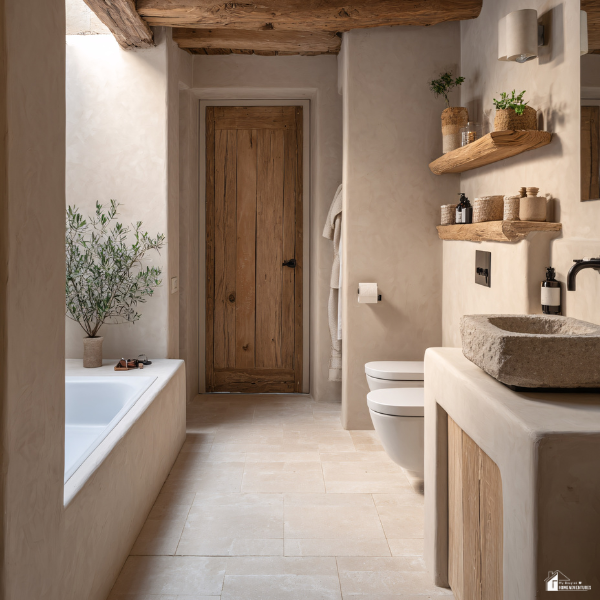
But while natural stones are durable and long-lasting, they are also sensitive to the wrong kind of cleaning. Surprisingly, many everyday cleaning products, even the ones that seem harmless, can slowly damage your precious stone.
So, before you grab that all-purpose cleanser, here is a guide on what NOT to use when cleaning your natural stone flooring and what to do instead.
1. Skip Anything Acidic – No Vinegar, Lemon Juice or Harsh Cleansers
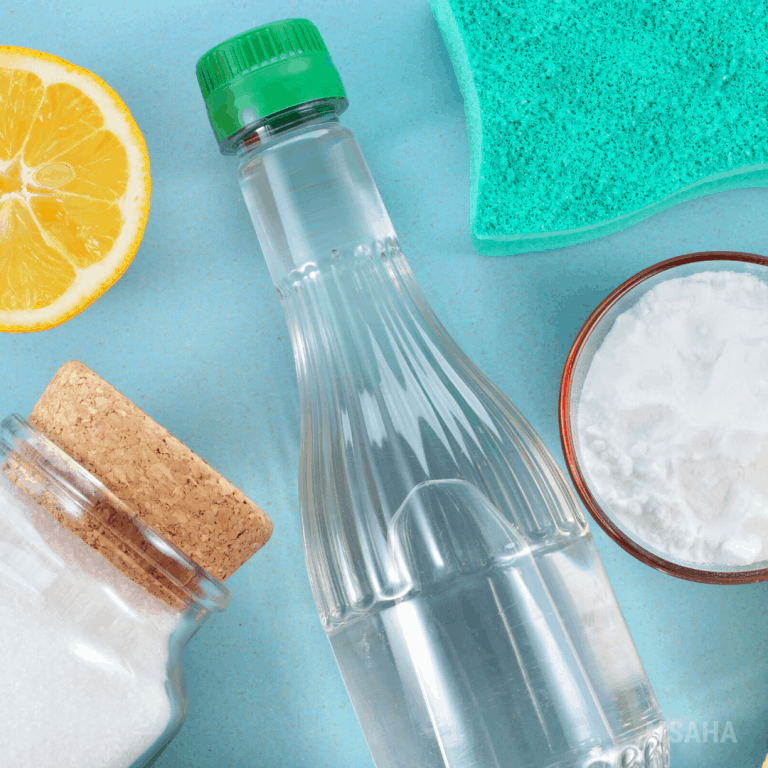
This one’s at the top of the list for a reason. Acid and natural stone simply don’t get along. Cleansers that contain vinegar, lemon, or other acidic ingredients can etch the surface of stones like Marble, Limestone and Travertine. That means your once most beautiful floor could end up with dull patches or even visible marks.
Even if you dilute vinegar or lemon juice in water, the acid level can still be too strong for natural stones. It’s best to keep these out of your cleaning routine entirely.
2. Avoid Bleach, Ammonia and Harsh Chemical Cleansers
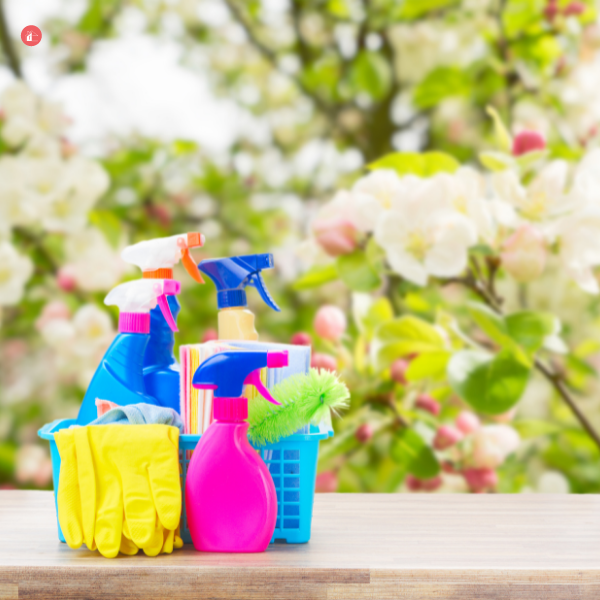
You might think bleach or ammonia will give your floors that super clean look but in reality, they do more harm than good. These harsh chemicals can strip the natural sealant off the stone, making it more prone to stains and damage.
Over time, they can also cause discoloration, especially on light-shaded stones like Travertine, Limestone or Marble. If you have ever noticed white patches or uneven shades after cleaning, that’s probably the side effects of chemical-based cleansers.
Experts suggest sticking to gentle methods to clean your natural stone floors.
3. Say No to Abrasive Scrubbers and Brushes
Natural stone surfaces are tough and highly durable, but their top layer can scratch if you use the wrong tools. Stay away from steel wool, rough scouring pads or stiff brushes. Even a sponge with a rough back can leave micro-scratches that collect dust and dull the beauty.
Instead, you should use a soft mop or microfiber cloth for everyday cleaning. They are gentle on the stone yet effective enough to remove dirt and dust.
4. Don’t Use General Household Detergents or Soap-Based Cleansers
That all-purpose cleanser is probably not safe for your natural stone. Many regular detergents and soaps leave behind a thin residue that builds up over time, making the surface look cloudy or streaky.
Even mild dish soaps can change the feel of certain stones after repeated use. Plus, they attract dirt faster, meaning you will end up cleaning more often than you would like. This is especially true for outdoor areas such as patios or pathways with crazy paving tiles, where residue can make the surface look dull and worn over time.
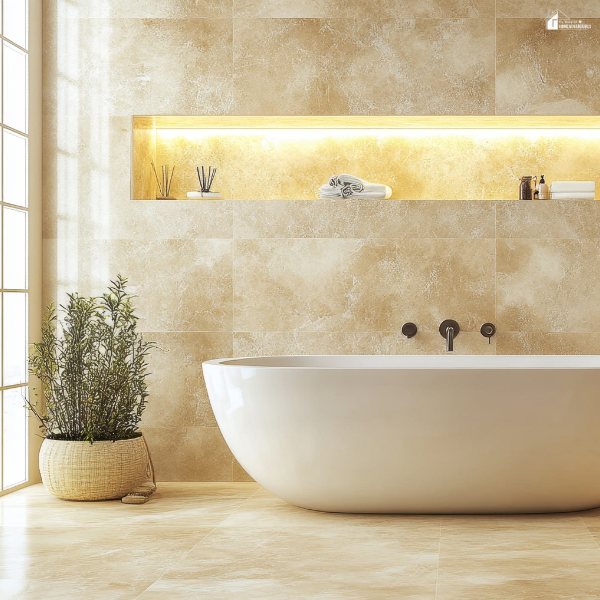
What You Should Use Instead
Now that you know what not to use, here’s what actually works.
Stick to a pH-neutral stone-specific cleanser
These cleansers are designed to remove dirt and grime without affecting the stone’s natural beauty. You will usually find them labeled as ‘stone-safe’ or ‘pH-balanced.’
For regular maintenance, just sweep or vacuum your floors to remove dust and debris and mop occasionally with warm water and a few drops of a pH-neutral stone cleanser. That’s really all it takes to keep your stone floors looking beautiful for years.
If you are unsure which product to use, it’s always best to test it on a small, hidden area first.
Timely sealing for a long-lasting stone floor.
Cleaning is only one part of caring for natural stone and sealing is just as important. Sealing your stone floors adds an invisible layer of protection against stains, spills and moisture damage.
But remember to always use a stone-specific sealant. Generic sealants or waterproof coatings that are not made for natural stones and can trap moisture beneath the surface, leading to cracks or patches later on.
Depending on your stone type and where it’s installed, indoor or outdoor, sealing once every 1-2 years usually helps you.
For example, if you have outdoor Travertine pavers, considered one of the most sophisticated natural stones, using the right sealant is the trick to keeping its elegance intact.
Simple Maintenance Tips to Keep Your Stone Floors Looking New
- Sweep regularly.
- Wipe spills immediately, especially wine, coffee or acidic juices.
- Use mats or rugs at entrances or high-traffic zones to prevent scratches.
- Avoid dragging heavy furniture. Always lift instead of pushing.
- Reseal periodically. It’s your floor’s best defense against everyday wear.
Why Gentle Care Matters
Natural stones are formed over millions of years and while they are amazingly tough, their surface chemistry can be quite sensitive. Using the wrong cleaning product even once or twice might not show immediate damage, but over time, it can dull the polish, wear away the sealant and even weaken the stone.
A little care and the right cleaning habits go a long way. Think of it this way! Your natural stone floors are not just part of your home; they are part of your home’s personality too. Treat them kindly and they will stay stunning for decades.
Conclusion
Caring for natural stone floors doesn’t have to be complicated. Skip the harsh chemicals, acidic cleansers and rough scrubbing tools. You should stick to pH-neutral cleansers, gentle sweeping and stone-specific sealants and your floors will look like new forever.